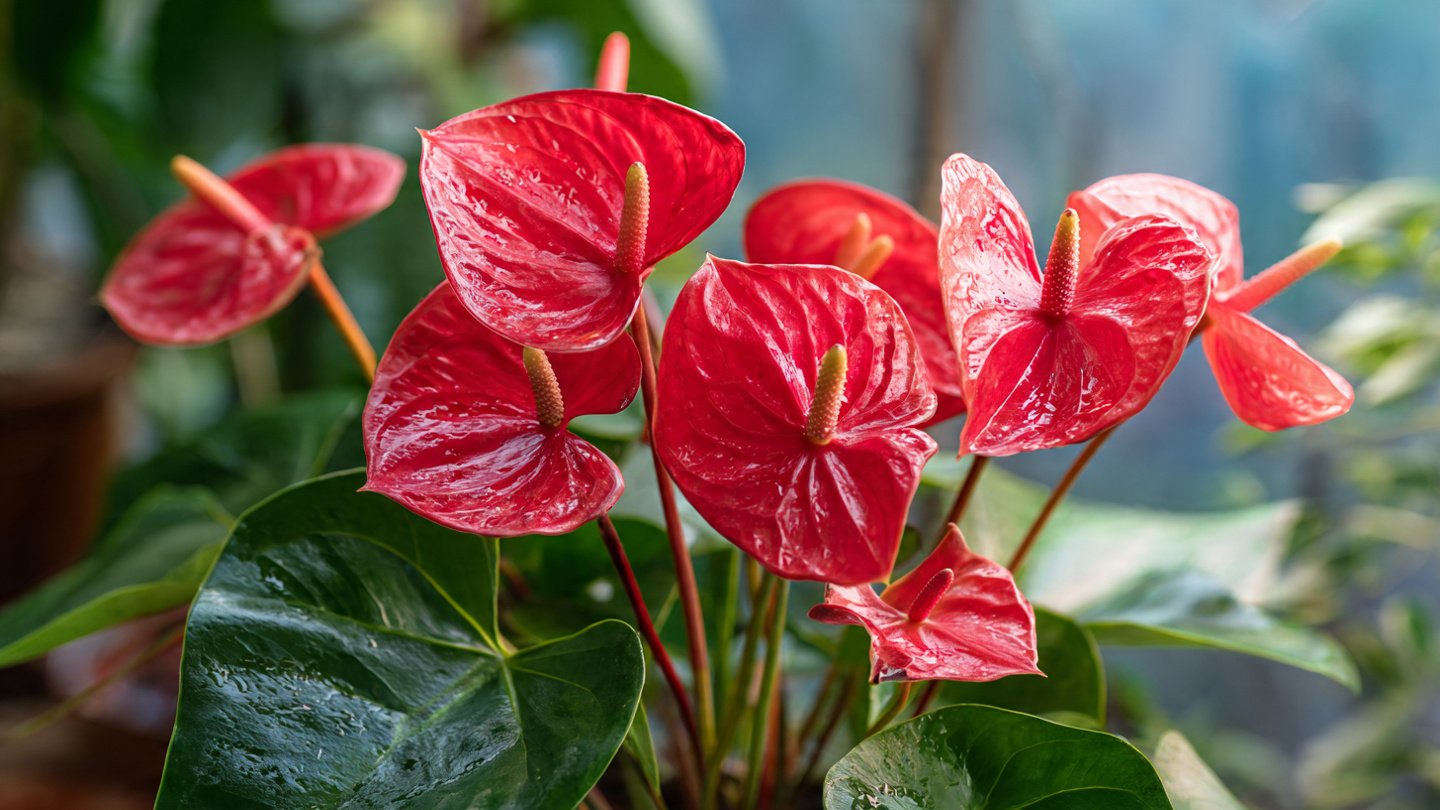
Anthuriums, known for their stunning glossy flowers and heart-shaped leaves, have gained immense popularity among indoor plant enthusiasts. Their tropical origins give them a unique charm, while their resilience makes them an ideal choice for beginners. In this guide, we will delve into everything you need to know about growing Anthurium indoors, from choosing the right variety to caring for your plant and troubleshooting common issues. By the end of this article, you will have the knowledge and confidence to cultivate your own Anthurium.
1. Understanding Anthurium
1.1 What is Anthurium?
Latest Posts
- How to Use Invisible Wire for a Stunning Climbing Plant Wall
- Are Your Garden Tools Making Your Plants Sick?
- How to Style a Small Studio with Columnar Cacti
- Why Is My Zucchini Shaped Like a Lightbulb?
- How to Protect Your Fruit From Birds Without Nets
- How to Keep Squirrels Away from Your Fruit Trees
- How to Protect Your Fruit from Birds Without Nets
- Why Biochar Is a Game-Changer for Your Kitchen Garden
- Why Some Rare Cacti Bloom Only One Night a Year
- How to Grow Rare Blue Strawberries at Home
Anthurium belongs to the family Araceae and is native to Central and South America. It is often referred to as the “flamingo flower” or “laceleaf” due to the unique shape and vibrant colors of its spathes (the modified leaves that surround the actual flowers). The plant’s glossy foliage adds to its aesthetic appeal, making it a cherished addition to home decor.
1.2 Varieties of Anthurium
While there are over 1,000 species of Anthurium, a few varieties stand out for indoor cultivation:
- Anthurium andraeanum: Known for its large, glossy flowers in red, pink, white, and purple hues. This is the most common variety found in homes.
- Anthurium clarinervium: Features striking heart-shaped leaves with prominent white veins.
- Anthurium forgetii: A smaller variety with dark green, quilted leaves and a unique texture.
- Anthurium scherzerianum: This type produces curled spathes often seen in orange and red hues, giving it a distinctive appearance.
2. Choosing the Right Location
2.1 Light Requirements
Anthuriums thrive in bright, indirect light. Direct sunlight can scorch their sensitive leaves, while too little light can hinder flower production. A north or east-facing window is ideal, as it provides gentle morning light without the harsh afternoon sun.
2.2 Temperature and Humidity
Anthuriums prefer warm temperatures ranging from 65°F to 80°F (18°C to 27°C). They are not frost-tolerant, so it’s crucial to keep them away from drafts or cold windows. High humidity is beneficial for Anthuriums, ideally between 60% and 80%. You can increase humidity by:

- Using a pebble tray filled with water.
- Grouping plants together.
- Employing a humidifier, especially during dry winter months.
3. Potting and Soil
3.1 Choosing the Right Pot
Select a pot with drainage holes to avoid waterlogging. Anthuriums prefer slightly snug conditions but should have enough space for root growth. Typically, a pot 1-2 inches larger than the root ball is recommended.
3.2 Potting Mix
Anthuriums thrive in well-draining soil. A recommended mix includes:
- 2 parts peat moss or coconut coir
- 1 part perlite or orchid bark
- 1 part pine bark
This mixture ensures aeration and drainage, crucial for root health.
4. Watering Your Anthurium
4.1 Frequency
Anthuriums prefer to dry out slightly between waterings. Generally, watering every 1-2 weeks is advisable:

- Check the top inch of soil; if it’s dry, it’s time to water.
- Water thoroughly until it drains from the bottom, then let excess water drain away.
4.2 Signs of Overwatering and Underwatering
- Overwatering: Yellowing leaves, root rot, and a mushy stem.
- Underwatering: Curling leaves, browning tips, and wilting.
Adjust your watering habits based on the season; plants may require less water during winter months.
5. Fertilizing
5.1 Type of Fertilizer
During the growing season (spring and summer), feed your Anthurium with a balanced liquid fertilizer (such as 20-20-20) diluted to half strength. Fertilizers high in potassium can also enhance flowering.
5.2 Frequency
Fertilize every 4-6 weeks during the growing season and omit fertilization in the fall and winter when the plant is dormant. Always follow the instructions on the fertilizer packaging to avoid nutrient burn.
6. Pruning and Maintenance
6.1 Pruning
Prune dead or damaged leaves as needed using clean, sharp scissors to promote healthy growth. This practice not only improves aesthetics but also allows the plant to use its energy for new growth.

6.2 Cleaning the Leaves
Dust can accumulate on Anthurium leaves, obstructing photosynthesis. Gently wipe the leaves with a damp cloth occasionally to keep them clean and vibrant.
7. Propagation
7.1 Methods of Propagation
Anthuriums can be propagated through division or offsets. The best time to propagate is during the growing season.
-
Division: Carefully remove the plant from its pot, and separate the root ball into smaller sections, ensuring each section has healthy roots and foliage. Repot each section into its own container.
-
Offsets: If your Anthurium has produced offshoots, gently cut them from the parent plant and pot them separately.
7.2 Tip for Success
Use fresh potting mix for propagation and ensure adequate humidity and warmth while the plants establish their roots.
8. Common Pests and Diseases
8.1 Pests
Anthuriums are susceptible to pests such as aphids, spider mites, and mealybugs. Regularly inspect your plants for signs of infestation:
- Aphids: Small, soft-bodied insects on the leaves.
- Spider Mites: Tiny webs often found on the undersides of leaves.
- Mealybugs: White, cotton-like masses on stems and leaves.
If you notice pests, remove them using insecticidal soap or neem oil.
8.2 Diseases
Root rot is the most common issue associated with overwatering. Ensure your potting mix drains well and avoid letting your plant sit in water. Leaf spot and blight can occur due to high humidity combined with poor air circulation, so ensure adequate airflow around your plant.
9. Troubleshooting
9.1 Yellowing Leaves
Causes may include:
- Overwatering: Check the soil moisture and adjust watering frequency.
- Nutrient Deficiency: Fertilize according to the schedule outlined earlier.
9.2 Wilting Leaves
Usually the result of underwatering. Increase watering frequency and check for root issues.
9.3 Lack of Flowers
Inadequate light can inhibit flowering. Ensure your Anthurium receives enough indirect sunlight to encourage blooms.
10. FAQs

10.1 How often should I repot my Anthurium?
Repotting every 1-2 years is generally sufficient, or when you notice that growth has slowed, indicating that the roots may be pot-bound.
10.2 Can I grow Anthurium in low light conditions?
While Anthuriums can survive in low light, it will significantly affect their growth and flowering. Aim for bright, indirect light for optimal health.
10.3 How long do Anthurium plants live?
With proper care, Anthuriums can live for many years, even decades. Their longevity often depends on the conditions they are kept in.
10.4 Do Anthuriums require specialized care?
While they do have specific light and humidity preferences, Anthuriums are relatively low-maintenance compared to many other houseplants. With basic care, they thrive well indoors.
10.5 Are Anthuriums toxic to pets?
Yes, Anthuriums are toxic if ingested by cats and dogs. Keep them out of reach of pets and consider alternatives if you have animals that might chew on houseplants.
By following this ultimate guide, you are well-equipped to successfully grow and care for Anthuriums indoors. Their striking beauty and charm can enhance any space, making them a favorite for both novice and experienced plant lovers. Happy gardening!