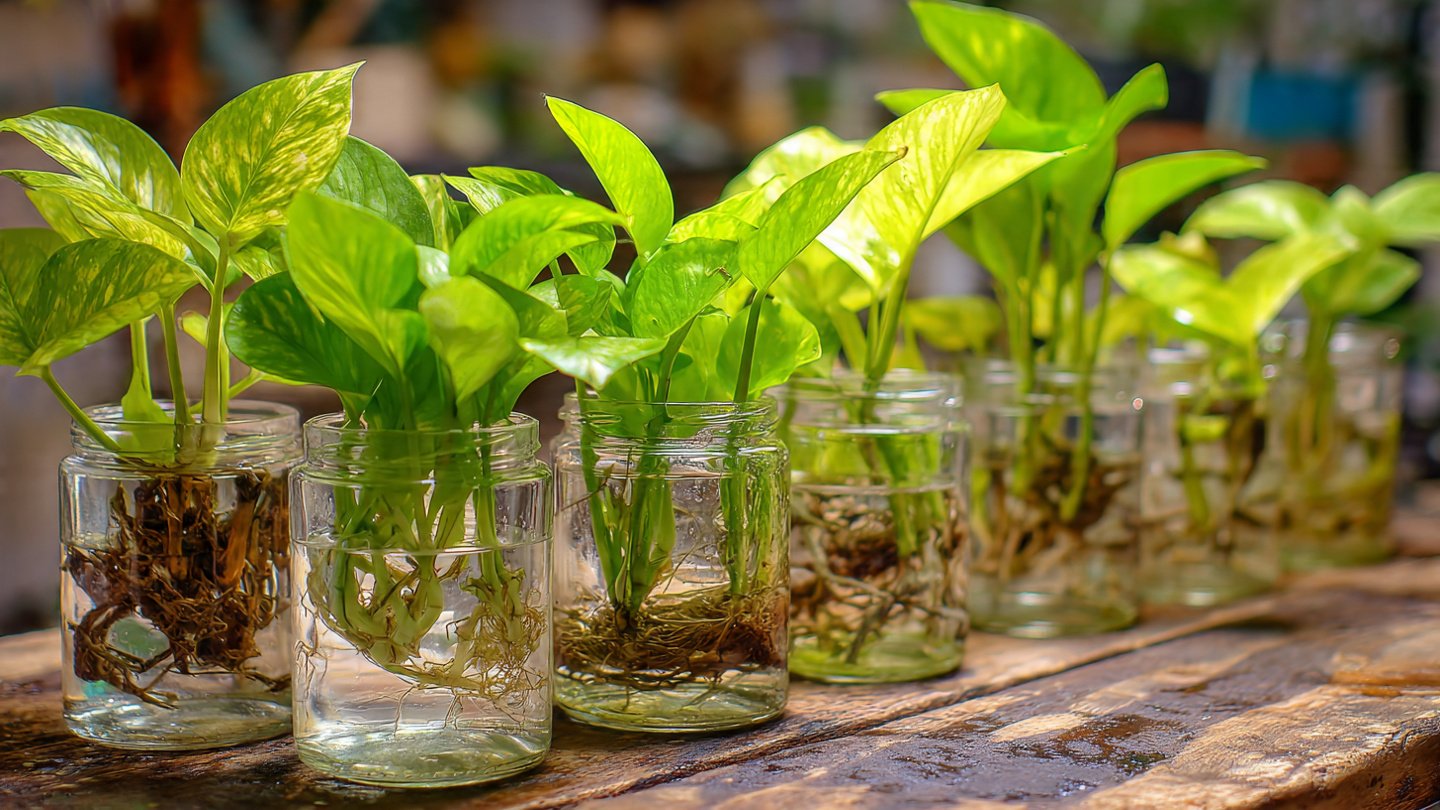
Money plants, scientifically known as Epipremnum aureum, are among the most popular indoor plants, prized for their resilience and nurturing ability. Often associated with good luck and prosperity, these fast-growing plants can thrive even in water, making them ideal for those who may not have the time or skill for traditional soil gardening. This guide aims to provide you with everything you need to know about growing money plants in water, ensuring instant greenery success.
Table of Contents
- How to Use Invisible Wire for a Stunning Climbing Plant Wall
- Are Your Garden Tools Making Your Plants Sick?
- How to Style a Small Studio with Columnar Cacti
- Why Is My Zucchini Shaped Like a Lightbulb?
- How to Protect Your Fruit From Birds Without Nets
- How to Keep Squirrels Away from Your Fruit Trees
- How to Protect Your Fruit from Birds Without Nets
- Why Biochar Is a Game-Changer for Your Kitchen Garden
- Why Some Rare Cacti Bloom Only One Night a Year
- How to Grow Rare Blue Strawberries at Home
- Reasons to Grow Money Plants in Water
- How to Propagate Money Plants in Water
- Choosing the Right Container
- Water Quality and Maintenance
- Light and Temperature Requirements
- Fertilizing Your Money Plant
- Common Pests and Diseases
- Creative Ways to Display Money Plants
- FAQs
Latest Posts
1. Reasons to Grow Money Plants in Water
Money plants are a fantastic choice for several reasons:
-
Low Maintenance: Unlike soil plants, money plants grown in water require less frequent care. You need only change the water every couple of weeks.
-
Air Purification: These plants are renowned for their air-purifying qualities. They absorb harmful toxins, making your home’s atmosphere healthier.
-
Aesthetic Appeal: The heart-shaped leaves of money plants add a tropical touch to any space, enhancing décor without the hassle of soil care.

-
Versatility: Money plants can be grown in various settings, including low-light areas, making them perfect for apartments or office cubicles.
2. How to Propagate Money Plants in Water
Propagating money plants in water is straightforward and engaging. Here’s a step-by-step guide:
Step 1: Gather Materials
- Healthy money plant stem cuttings (6-8 inches long)
- Sharp, sterile scissors or pruning shears
- A clean container (preferably glass)
Step 2: Take Cuttings
Select a healthy stem with several leaves. Cut just below a node—a small bump where leaves grow. Nodes are crucial as they’re where roots will sprout.
Step 3: Prepare the Cuttings
Remove any lower leaves that may submerge in water, leaving a few at the top for photosynthesis. This prevents rotting.
Step 4: Place in Water
Submerge the cut end of the stem in water, ensuring that at least one node is under the waterline.
Step 5: Wait for Roots to Grow
After a few weeks, roots will begin to develop. Look for white, string-like structures emerging from the node.

3. Choosing the Right Container
Selecting the right container can make all the difference in your money plant’s growth. Here are some factors to consider:
-
Material: Glass containers are popular because they allow you to see root growth and water clarity. However, ceramic or plastic containers work well too.
-
Size: Choose a container that’s wide enough for the roots to spread but not too large. A small container encourages healthy root growth.
-
Drainage and Stability: While water-grown plants don’t need drainage like soil plants, ensure your container is stable to prevent tipping.
4. Water Quality and Maintenance
Quality water is essential for the health of your money plants. Here’s what you should keep in mind:
-
Use Clean Water: Tap water is usually fine, but if your area has chlorinated water, let it sit out overnight for the chlorine to dissipate.
-
Maintain Water Level: Keep the water level high enough to submerge the nodes but avoid overfilling.
-
Change the Water Regularly: Change the water every 1-2 weeks. This prevents algae buildup and keeps the plant healthy.
-
Add Fresh Water: If you’re unable to do full water changes, top off the water level as needed.

5. Light and Temperature Requirements
Light and temperature play a significant role in the growth of money plants:
-
Light: Money plants thrive in bright, indirect sunlight. While they can tolerate low light, their growth may slow down, and the leaves may become smaller. Avoid direct sunlight, which can scorch the leaves.
-
Temperature: Ideal room temperatures between 60°F and 85°F (15°C to 29°C) are optimal for growth. Protect them from extreme temperature fluctuations.
6. Fertilizing Your Money Plant
While money plants can survive in water, added nutrients can boost their growth:
-
Choose the Right Fertilizer: Use a water-soluble fertilizer diluted to half strength. Look for one high in nitrogen and potassium.
-
Frequency: Fertilize every 4-6 weeks during the growing season (spring and summer) but avoid fertilizing in fall and winter.
7. Common Pests and Diseases
Even though money plants are resilient, they can attract pests. Here are some common critters and diseases to watch for:
-
Spider Mites: These tiny pests thrive in dry conditions. Look for webbing on leaves. Increase humidity or wipe leaves with a damp cloth.
-
Mealybugs: These white, fuzzy pests can infest the plant. Use neem oil or insecticidal soap for treatment.
-
Root Rot: Over time, stagnant water can lead to root rot. Ensure you change the water regularly and use clean containers.
8. Creative Ways to Display Money Plants
Money plants can enhance your indoor aesthetics in various ways:
-
Hanging Planters: Use macramé hangers to suspend pots from the ceiling or wall brackets, creating a cascading effect.
-
Wall-Mounted Containers: Affix small glass vases or test tubes to walls, allowing the plants to grow vertically and save space.
-
Bookshelf Arrangements: Place money plants in bookshelves, letting trails of vines drape over the sides for a lush look.
-
Table Displays: Add a bamboo stake for vertical growth, placing it in a decorative container on a side or coffee table.
FAQs
Q1: How long does it take for money plants to root in water?
A: Typically, it takes about 2-4 weeks for money plants to develop roots in water, depending on factors like temperature and light availability.
Q2: Can I grow money plants in just any water?

A: It’s best to use clean, filtered, or distilled water. Tap water is acceptable, but letting it sit out for 24 hours can help dissipate chlorine.
Q3: Do I need to change the water every week?
A: Changing the water every 1-2 weeks is ideal to prevent bacteria and algae growth. However, you can top off the container as needed.
Q4: How can I tell if my money plant is getting enough light?
A: If the leaves start stretching towards the light or become smaller, it may need more light. Conversely, yellowing leaves could indicate too much direct sunlight.
Q5: Can I use soil for my money plant instead of water?
A: Yes, money plants can thrive in soil as well. However, they require more care and watering compared to growing in water.
Q6: Are money plants toxic to pets?
A: Yes, money plants are mildly toxic to pets. If ingested, they can cause gastrointestinal irritation. It’s best to keep them out of reach of animals.
Q7: Is it necessary to fertilize money plants in water?
A: While not strictly necessary, adding nutrients through a diluted water-soluble fertilizer every 4-6 weeks can promote healthy growth.
Conclusion
Money plants offer an accessible way to introduce greenery into your home or office. By understanding their care requirements—from propagation methods to ideal conditions—you can enjoy the numerous benefits of these resilient, fast-growing plants. With this ultimate guide, you’re equipped to achieve instant greenery success, transforming your space into a lush oasis. Happy gardening!