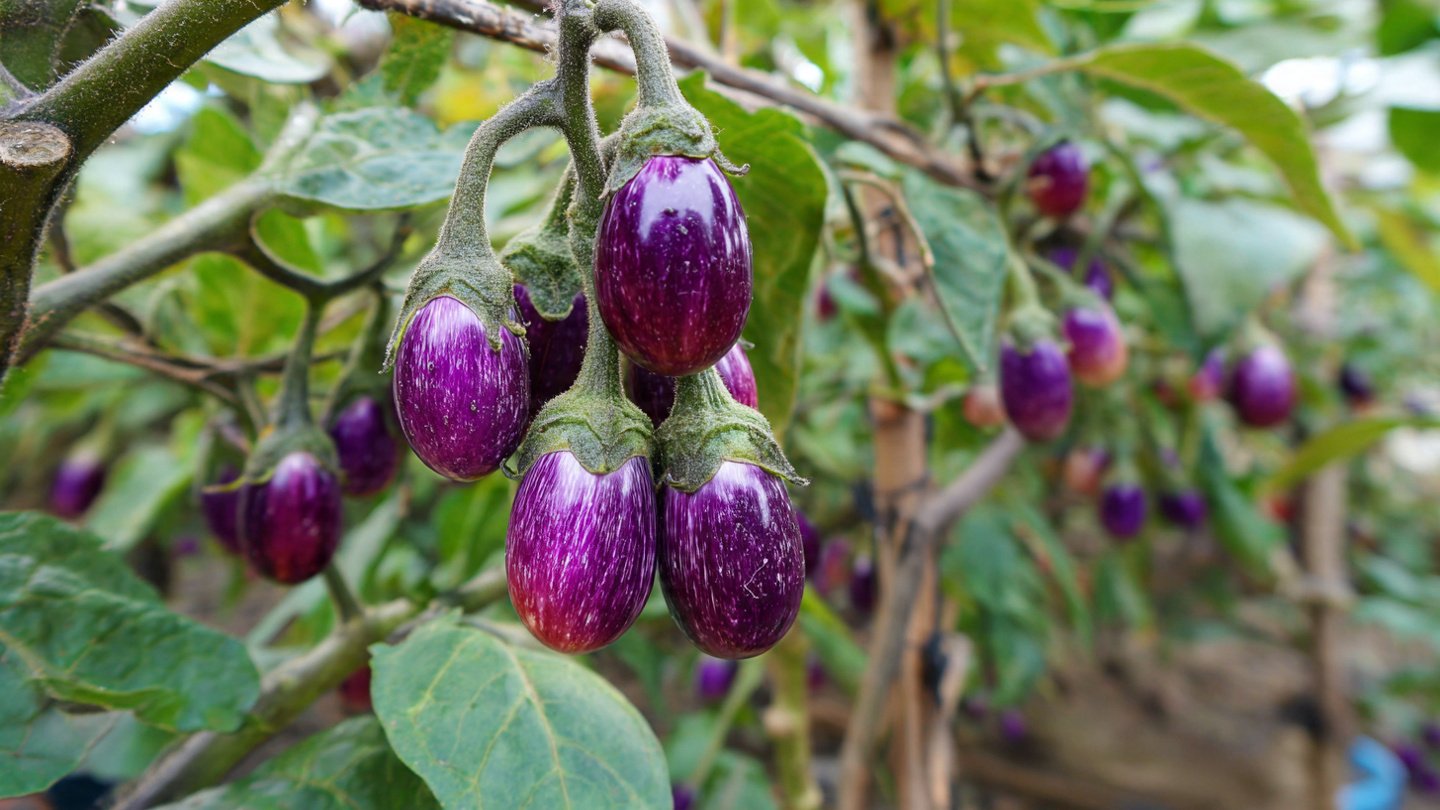
Brinjal, commonly known as eggplant or aubergine, is a versatile vegetable that is cherished in cuisines around the globe. Its rich flavor and variety of uses make it a favorite among home gardeners. This guide will walk you through the steps required to grow brinjal plants from seeds successfully, along with tips, tricks, and common FAQs to ensure a fruitful gardening experience.
1. Understanding Brinjal
Before diving into the cultivation process, it’s essential to understand what brinjal is and its requirements. Brinjal is a warm-season vegetable that thrives in temperatures between 70°F to 85°F (21°C to 29°C). It is a part of the nightshade family, which also includes tomatoes and peppers. Brinjal grows best in well-drained, nutrient-rich soil and requires regular watering to maintain moisture.
Latest Posts
- How to Use Invisible Wire for a Stunning Climbing Plant Wall
- Are Your Garden Tools Making Your Plants Sick?
- How to Style a Small Studio with Columnar Cacti
- Why Is My Zucchini Shaped Like a Lightbulb?
- How to Protect Your Fruit From Birds Without Nets
- How to Keep Squirrels Away from Your Fruit Trees
- How to Protect Your Fruit from Birds Without Nets
- Why Biochar Is a Game-Changer for Your Kitchen Garden
- Why Some Rare Cacti Bloom Only One Night a Year
- How to Grow Rare Blue Strawberries at Home
Popular Varieties
- Black Beauty: Known for its deep purple color and glossy finish.
- Japanese Eggplant: Slim, elongated, and sweeter in flavor.
- Italian Eggplant: Rounder and larger; great for baking.
2. Preparing to Grow Brinjal
A. Choosing the Right Seeds
Select high-quality seeds from reputable sources. Opt for varieties that are suited to your local climate. If you’re in a cooler region, look for hybrids that are more tolerant to such conditions.
B. Soil Requirements
Brinjal plants prefer:
- Soil Type: Loamy or sandy soil enriched with organic matter.
- pH Level: Aim for a pH level between 5.5 and 7.0.
- Drainage: Ensure good drainage to prevent root rot.

C. Tools You’ll Need
- Seed trays or pots
- Quality seed-starting mix
- Watering can or sprayer
- Labels for marking
- Fertilizer (organic or synthetic)
3. Starting Seeds Indoors
A. Timing
Start your seeds indoors about 8-10 weeks before the last frost date in your area.
B. Steps to Sow Seeds
- Fill Containers: Fill seed trays or pots with the seed-starting mix.
- Soak Seeds: Soak seeds in water for a few hours before planting. This helps improve germination rates.
- Sow Seeds: Plant seeds about ¼ inch deep.
- Watering: Lightly water the soil until it’s moist but not waterlogged.
- Label: Mark your containers with the variety of brinjal and the date of sowing.

C. Germination Environment
- Temperature: Maintain a warm environment (70°F to 80°F).
- Light: If natural light is insufficient, consider grow lights.
- Humidity: Cover the trays with plastic wrap to retain moisture until germination occurs, usually in 7-14 days.
4. Caring for Seedlings
A. Watering
Keep the soil consistently moist. Be careful not to overwater; seedlings are sensitive to excessive moisture.
B. Thinning
Once seedlings develop 2-3 sets of true leaves, thin them out by snipping off the weaker ones. Aim for about 6 inches apart.
C. Fertilizing
After seedlings have been established for a few weeks, fertilize them with a diluted liquid fertilizer once every two weeks.
D. Hardening Off
Before transplanting outdoors, gradually acclimate your seedlings to outdoor conditions over 7-10 days. Start by placing them outside for a few hours in a shaded spot, gradually increasing sunlight exposure and duration.
5. Transplanting to the Garden
A. Choosing the Right Time

Transplant seedlings outdoors after the last frost and when nighttime temperatures stay above 60°F (15°C).
B. Planting Process
- Choose a Location: Select a sunny spot in your garden with good airflow.
- Prepare Soil: Amend the soil with compost or well-rotted manure to enhance fertility.
- Spacing: Space transplants 18-24 inches apart, allowing for adequate airflow and room for growth.
- Planting: Dig a hole deep enough to support the root ball. Gently place the seedling and backfill with soil. Water well.
6. Ongoing Care
A. Watering
Maintain consistent moisture, especially during dry spells. Water at the base of the plant to avoid wetting the leaves, which can lead to diseases.
B. Mulching
Apply a layer of organic mulch around the plants to retain moisture and suppress weeds.
C. Fertilizing
Fertilize with a balanced fertilizer every 4-6 weeks, focusing on nitrogen during the early growth stages and switching to a potassium-rich fertilizer as flowering and fruiting begin.
D. Pest and Disease Management
Be vigilant in monitoring for pests such as aphids, spider mites, and whiteflies. Use organic pesticides or introduce beneficial insects like ladybugs to keep pests at bay. Common diseases include blight and root rot, which can often be prevented through good cultural practices.
E. Supporting the Plants
As brinjal plants grow, consider staking or providing a trellis for support, particularly for heavier fruit varieties.
7. Harvesting
Brinjal is typically ready for harvest 70-100 days after sowing, depending on the variety. Harvest when the fruit is firm, glossy, and about the size of a mature egg (though size may vary by variety). Use sharp scissors to cut the fruit, leaving a bit of stem attached.
8. Storing and Using Brinjal
Freshly harvested brinjal can be stored in a cool, dry place for up to a week. They can also be frozen for longer storage. Brinjal can be enjoyed in various dishes—grilled, baked, sautéed, or even used in stews and curries.
FAQs
1. How long does it take for brinjal seeds to germinate?
Brinjal seeds typically germinate within 7-14 days under optimal conditions.
2. Do brinjal plants need a lot of sunlight?
Yes, brinjal plants thrive in full sun, requiring at least 6-8 hours of sunlight daily.
3. Can I grow brinjal in containers?
Absolutely! Ensure that your container is at least 12 inches deep and wide, allowing sufficient space for root development.
4. What are common pests to watch for?
Common pests include aphids, spider mites, and fruit flies. Regular monitoring and early intervention can help manage these pests.
5. How do I know when to harvest brinjal?
Harvest when the fruit is shiny and firm, and deep color is visible. Avoid letting them over-ripen, as the skin may lose its sheen and become soft.
6. What should I do if my plants are wilting?
Check for signs of over or under-watering. Ensure that the soil drains well, and examine root health if the problem persists.
7. Is brinjal a perennial or annual plant?
Brinjal is generally grown as an annual plant, but in warmer climates, it can be perennial.
8. Can I save seeds from my brinjal plants?
Yes, you can save seeds from harvested fruits. Choose fruits from the healthiest plants, ferment the seeds, and then dry them for future planting.
Conclusion
Growing brinjal from seeds can be an incredibly rewarding endeavor. With patience and care, you’ll enjoy a bountiful harvest of this flavorful vegetable. Following the steps outlined in this guide will help ensure that your gardening experience is successful and enjoyable. Happy planting!