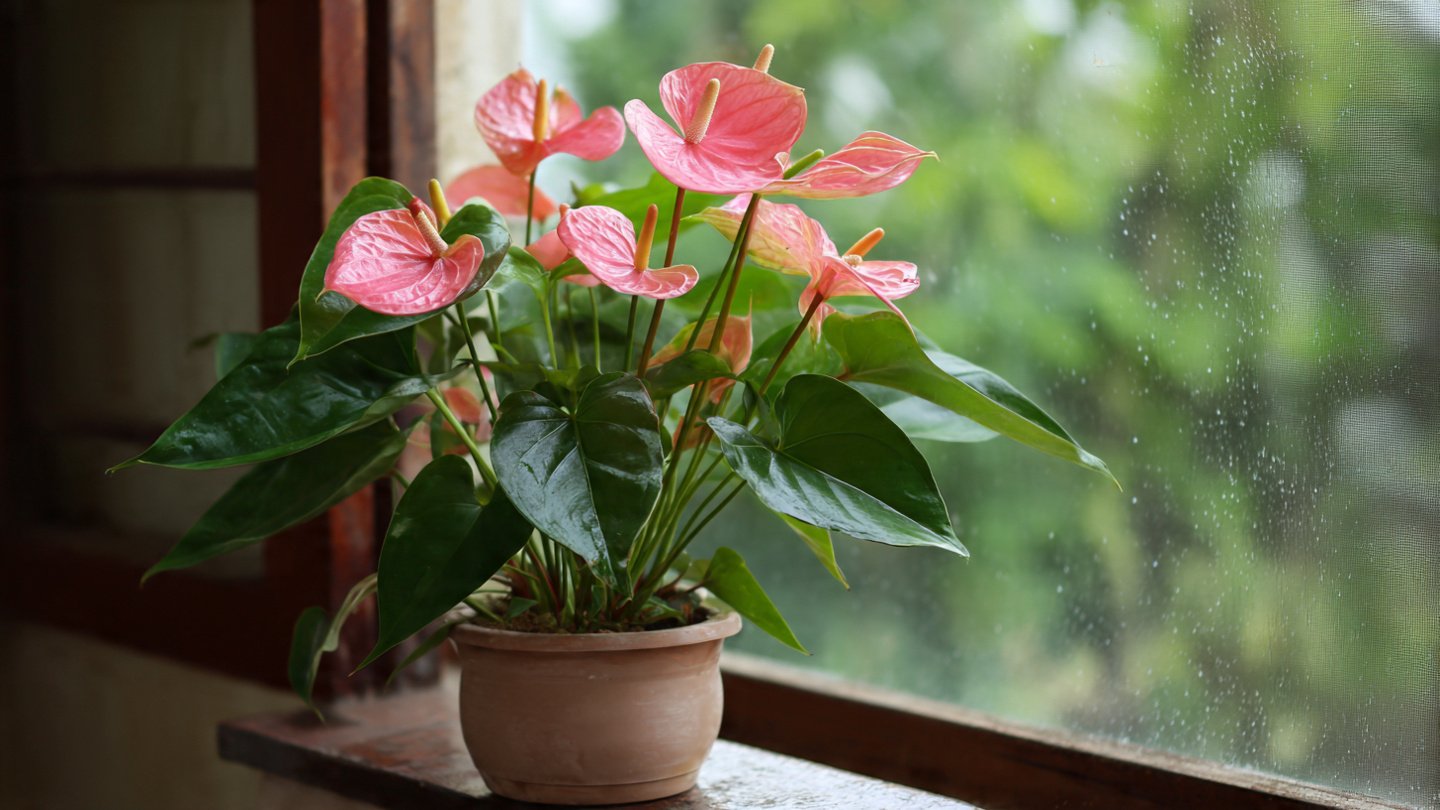
Anthuriums, often referred to as the “flamingo flower” due to their vibrant, waxy blossoms, have soared in popularity as houseplants. With their heart-shaped leaves and striking flowers, these tropical plants add a touch of elegance to any indoor space. If you’re a beginner longing to cultivate beautiful houseplants, growing anthurium in pots is a fulfilling and straightforward endeavor. This article will guide you through an easy method to grow anthurium successfully.
1. Understanding Anthurium
1.1 What is Anthurium?
Latest Posts
- How to Use Invisible Wire for a Stunning Climbing Plant Wall
- Are Your Garden Tools Making Your Plants Sick?
- How to Style a Small Studio with Columnar Cacti
- Why Is My Zucchini Shaped Like a Lightbulb?
- How to Protect Your Fruit From Birds Without Nets
- How to Keep Squirrels Away from Your Fruit Trees
- How to Protect Your Fruit from Birds Without Nets
- Why Biochar Is a Game-Changer for Your Kitchen Garden
- Why Some Rare Cacti Bloom Only One Night a Year
- How to Grow Rare Blue Strawberries at Home
Anthuriums belong to the Araceae family and are native to the tropical regions of Central and South America. They boast bright red, pink, or white spathes (modified leaves that resemble petals) and distinctive yellow, spiky inflorescences. These qualities make them highly sought after by houseplant enthusiasts.
1.2 Ideal Growing Conditions
Anthuriums thrive in warm, humid environments, making them perfect for indoor cultivation. The ideal temperature ranges between 65°F and 80°F (18°C to 27°C), and they prefer humidity levels above 50%. Understanding their native habitat helps replicate suitable conditions at home.
2. Choosing the Right Pot and Soil
2.1 Selecting the Pot
When growing anthuriums, start with a pot that has good drainage. Terracotta or ceramic pots with holes at the bottom are ideal. Avoid plastic pots, which can retain excess moisture and lead to root rot.
2.2 Best Soil for Anthurium
Anthuriums prefer a well-draining potting mix. A mix containing peat moss, bark, perlite, and charcoal works wonders. This combination promotes aeration while providing essential nutrients.
2.3 Pot Size
Choose a pot that is 2 inches larger than the root ball of the plant. As your anthurium grows, it will need to be repotted every 2-3 years. Ensure that the new pot has similar drainage properties.

3. Planting Anthurium
3.1 Preparing the Soil
Before planting, ensure the potting mix is moist but not soggy. If using a store-bought mix, you may want to add perlite or orchid bark to enhance drainage.
3.2 Planting Process
- Fill the pot with the prepared soil mix, leaving about an inch of space from the rim.
- Place the anthurium in the center, ensuring the top of the root ball is level with the pot’s rim.
- Gently fill in around the roots, packing the soil lightly without compressing it too much.
- Water the plant directly after potting to help settle the soil.
4. Watering and Humidity
4.1 Watering Guidelines
Water your anthurium when the top inch of soil feels dry. Overwatering is a common mistake; maintain a consistent watering schedule without saturating the roots. A general rule is to water every 1-2 weeks, depending on environmental conditions.
4.2 Maintaining Humidity
Since anthuriums thrive in humidity, consider misting the plant regularly or placing it on a pebble tray filled with water. Humidifiers can also be beneficial in dry indoor environments.
5. Lighting Requirements

5.1 Ideal Light Conditions
Anthuriums prefer bright, indirect sunlight. Direct sunlight can scorch their leaves, while too little light can inhibit flowering. A spot near a window with filtered light is ideal for these plants.
5.2 Signs of Improper Lighting
If the leaves start yellowing or the plant becomes leggy, it may be a sign of inadequate light. Conversely, brown tips or scorched patches indicate too much direct sunlight.
6. Fertilizing Anthurium
6.1 Choosing the Right Fertilizer
Feed your anthurium with a balanced, water-soluble fertilizer (such as a 20-20-20 formula) every 6-8 weeks during the growing season (spring and summer). Reduce feeding in fall and winter when the plant goes dormant.
6.2 How to Fertilize
- Dilute the fertilizer in water according to package instructions.
- Water your plant with the solution, ensuring not to let it sit in excess water.
- Always fertilize after watering to prevent root burn.
7. Pruning and Maintenance
7.1 Pruning Guidelines
Remove yellowing leaves or spent flowers to encourage new growth. Use sterilized scissors or pruning shears to minimize the risk of infections.

7.2 Cleaning the Leaves
Gently wipe the leaves with a damp cloth to remove dust. This not only helps the plant’s appearance but also improves photosynthesis.
8. Pest and Disease Management
8.1 Common Pests
Anthuriums can attract pests such as aphids, spider mites, and mealybugs. Keep an eye out for these pests, as they can weaken your plant.
8.2 Treatment Options
- Insecticidal Soap: Spray on affected areas to eliminate pests.
- Neem Oil: A natural pesticide that is effective against many garden pests.
8.3 Disease Prevention
Prevent root rot by ensuring proper drainage and avoiding overwatering. If you notice mushy roots, it’s time to repot in fresh soil.
9. Propagating Anthuriums
9.1 Propagation Methods
Anthuriums can be propagated through division or by air layering. Here’s a simple way:
- Division: During repotting, separate the plant into smaller sections, ensuring that each has roots.
- Replant each section into its pot with fresh soil.
9.2 Timing for Propagation
The best time to propagate is during the growing season (spring or summer) when the plant is actively growing.
10. Enjoying Your Anthuriums
10.1 Creating a Display
Anthuriums can be showcased in various ways. Use decorative pots and combine them with other houseplants for an appealing display. They can also thrive in plant stands or as centerpieces.
10.2 Offering Seasonal Care
As seasons change, adjust your care routine. In winter, reduce watering and avoid placing them near drafts or heating vents to prevent stress.
FAQs
Q1: How often should I water my anthurium?
Water your anthurium when the top inch of soil is dry, typically every 1-2 weeks, depending on humidity and temperature.
Q2: Why are the leaves yellowing?
Yellowing leaves can indicate either overwatering or insufficient light. Check the soil moisture and consider moving the plant to a brighter location.

Q3: Can anthuriums flower indoors?
Yes, anthuriums can flower indoors under the right conditions, such as bright indirect light and proper feeding.
Q4: What should I do if my anthurium is not blooming?
If your anthurium is not blooming, check for adequate light, water, and nutrients. Patience is key; sometimes, plants need time to adjust.
Q5: Can I keep anthuriums outside?
Anthuriums can be kept outside in warm, humid climates; however, protect them from direct sunlight and cold drafts.
Q6: How do I know when to repot my anthurium?
If you notice roots growing out of the bottom drainage holes, it’s time to repot. Generally, repot every 2-3 years.
Conclusion
Growing anthuriums is not only easy but also rewarding, particularly for beginners eager to beautify their homes with stunning houseplants. By providing the right environment, soil, and care, you can enjoy the vibrant beauty of these tropical plants for years to come. With patience and attention, your anthurium can thrive and serve as a bouquet of color and life in your living space!