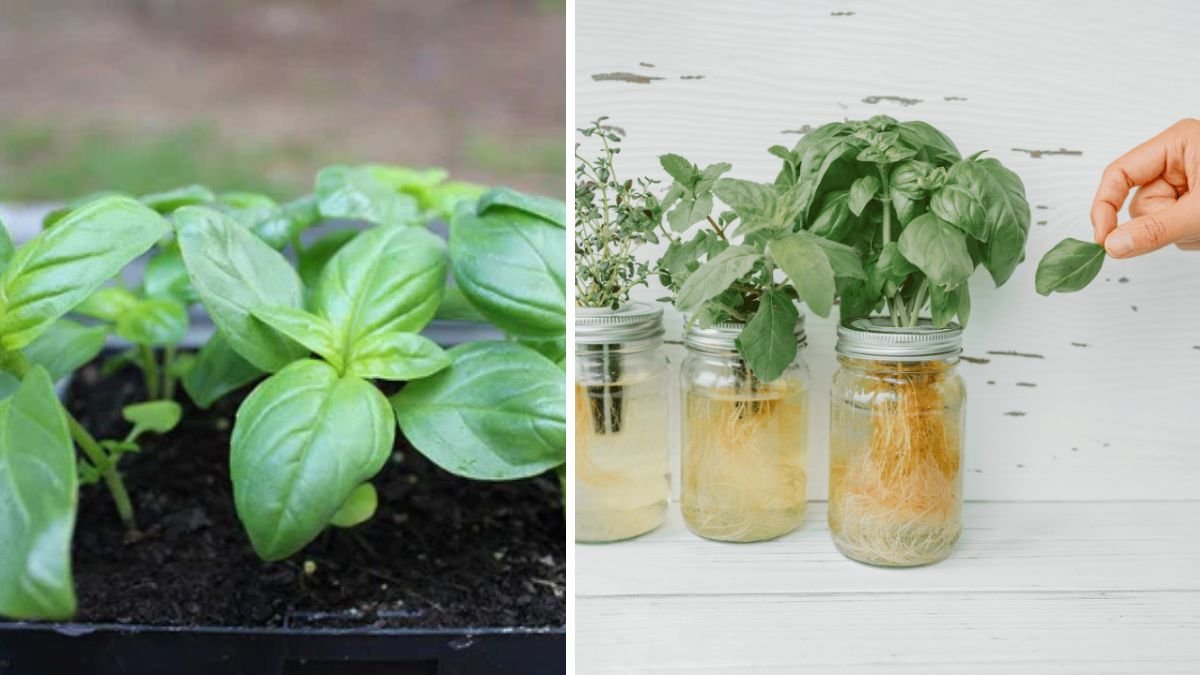
Growing basil indoors can be a rewarding experience, especially for culinary enthusiasts looking to enhance their dishes with fresh herbs. This aromatic plant is not only versatile in cooking but also relatively easy to cultivate, even for beginners. In this article, we will cover the essential steps to successfully grow basil indoors, the best practices, and common challenges you might face along the way.
Understanding Basil
Basil (Ocimum basilicum) is a popular herb known for its fragrant leaves and integral role in many cuisines, particularly Mediterranean and Asian dishes. It comes in various varieties, such as sweet basil, Thai basil, and lemon basil, each offering unique flavors and aromas.
Latest Posts
- How to Use Invisible Wire for a Stunning Climbing Plant Wall
- Are Your Garden Tools Making Your Plants Sick?
- How to Style a Small Studio with Columnar Cacti
- Why Is My Zucchini Shaped Like a Lightbulb?
- How to Protect Your Fruit From Birds Without Nets
- How to Keep Squirrels Away from Your Fruit Trees
- How to Protect Your Fruit from Birds Without Nets
- Why Biochar Is a Game-Changer for Your Kitchen Garden
- Why Some Rare Cacti Bloom Only One Night a Year
- How to Grow Rare Blue Strawberries at Home
Benefits of Growing Basil Indoors
- Freshness: Indoor-grown basil is readily available for your culinary creations.
- Cost-effective: Purchasing fresh herbs can be expensive. Growing your own saves money in the long run.
- Easy access: Having fresh basil at arm’s reach encourages more frequent use in your cooking.
- Air purification: Plants help purify the air, contributing to a healthier indoor environment.
Essential Requirements for Growing Basil Indoors
Before you begin your basil-growing journey, it’s essential to have the right supplies and knowledge:

1. Light
Basil requires a lot of sunlight, ideally about 6-8 hours of direct sunlight each day. If you don’t have a suitable windowsill, consider using grow lights that can provide adequate lighting for your plants.
2. Soil
A well-draining potting mix is crucial for basil. Look for a high-quality potting soil that contains perlite or vermiculite, which helps with drainage.
3. Containers
When selecting containers, ensure they have drainage holes to prevent waterlogging. Small pots (6-8 inches) are ideal for starting multiple basil plants.
4. Water
Basil prefers to be watered thoroughly but should not sit in water. The soil should be kept moist, but not soggy. Consistent watering is critical, especially during hot summer months.
5. Temperature and Humidity
Basil thrives in warm temperatures between 70°F to 85°F (21°C to 29°C). It also appreciates humidity, so consider placing a tray of water near your plants to increase moisture in the air.
Step-by-Step Guide to Growing Basil Indoors
Step 1: Choosing and Preparing Your Containers
Start by selecting the right containers. Fill each pot with nutrient-rich potting soil, leaving about an inch of space from the rim for watering.
Step 2: Choosing Seeds or Transplants
You can start basil from seeds, seedlings, or cuttings. If you’re starting from seeds, plant 1-2 seeds per pot at a depth of about 1/4 inch. If using transplants, ensure they are healthy and free from pests.
Step 3: Planting
Water the soil lightly to moisten it before planting your seeds or transplants. Firmly press the seeds or seedlings into the soil and cover them lightly.
Step 4: Providing Proper Light
Place your pots in a south-facing window to receive maximum sunlight. If using grow lights, place them about 2-3 inches above the plants and keep them on for 12-16 hours a day.
Step 5: Watering
Water your basil when the top inch of soil feels dry. Make sure to water until it drains out of the holes at the bottom. Avoid overwatering, as it can lead to root rot.
Step 6: Fertilizing
Basil benefits from regular feeding. Use a balanced, water-soluble fertilizer every 4-6 weeks. Dilute it to half the recommended strength to avoid overwhelming your young plants.
Step 7: Pruning
As your basil plant grows, pinch off the top leaves to encourage bushier growth. Removing flowers, if they appear, helps focus the plant’s energy on producing more leaves.
Step 8: Harvesting
You can start harvesting basil leaves when the plant reaches around 6 inches tall. Always cut leaves from the top to encourage new growth. Avoid taking more than one-third of the plant at a time.
Common Challenges and Solutions
-
Pests: Common pests include aphids and whiteflies. Check your plants regularly and wipe them with a damp cloth or use insecticidal soap if necessary.
-
Diseases: Watch out for fungal infections like downy mildew. Ensure good air circulation around your plants by not overcrowding pots.
-
Leggy Growth: If your basil plants are leggy (tall and sparse), they may not be receiving enough light. Adjust their positioning or consider adding grow lights.
-
Yellow Leaves: This can be a sign of overwatering or nutrient deficiency. Check the soil moisture level and assess your fertilization routine.
FAQs
1. How long does it take to grow basil from seed?
Basil seeds typically germinate within 5-10 days. From seed to harvest, expect to wait about 6-8 weeks for adequate leaf growth.
2. Can I grow basil from cuttings?
Yes! Take a cutting from a healthy basil plant, place it in water, and wait for roots to develop (around 2-4 weeks). Once rooted, transplant it into potting soil.
3. What is the best temperature for growing basil?
Basil grows best in temperatures ranging from 70°F to 85°F (21°C to 29°C). Ensure the plant is not exposed to temperatures below 50°F (10°C).
4. How can I preserve my basil harvest?
You can preserve basil by freezing it or drying it. For freezing, chop the leaves and pack them in ice cube trays with water. For drying, hang bundles of basil in a dry, dark area.
5. Can basil grow in water?
Basil can grow in water for a limited time if rooted properly from cuttings, but it thrives best in moist, well-draining soil.
Conclusion
Growing basil indoors is a simple and fulfilling venture that can elevate your culinary experiences. With the right light, soil, and care routines, you can enjoy a fresh supply of basil leaves throughout the year. Whether you’re using it for cooking, garnishing, or even in cocktails, your indoor basil garden will surely become a cherished part of your home. Happy gardening!