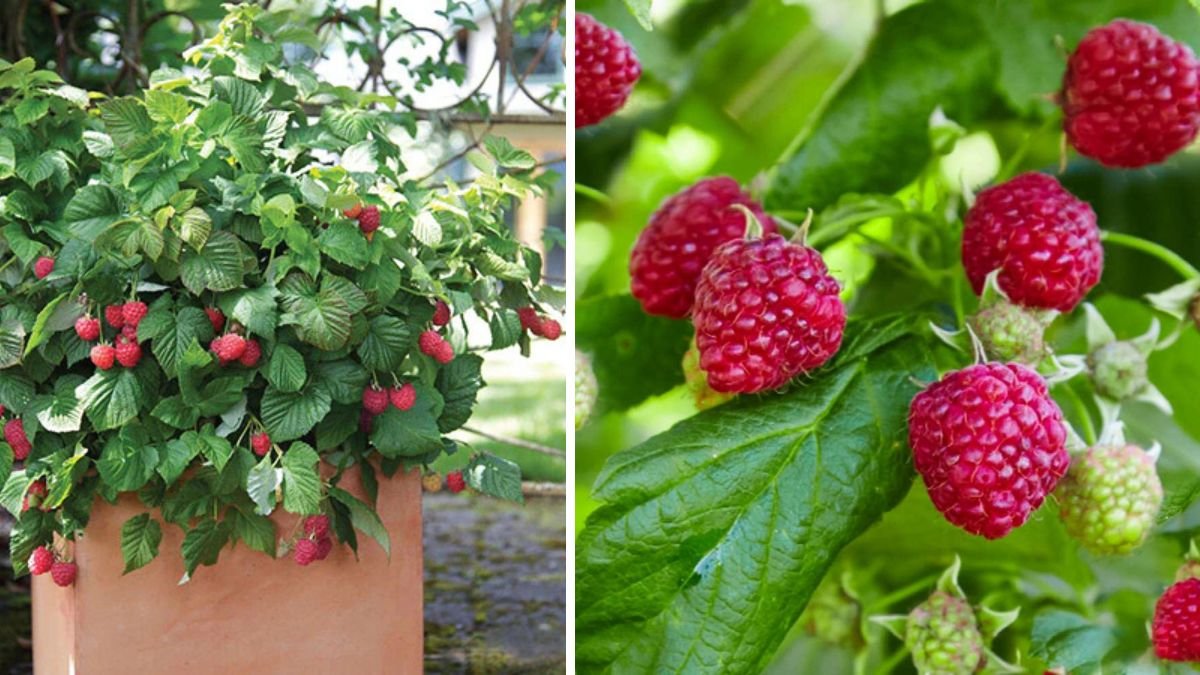
Growing raspberry plants at home can be a rewarding endeavor, providing you with a bountiful harvest of sweet, juicy berries. Raspberries are not only delicious but they are also packed with vitamins, antioxidants, and dietary fiber, making them a healthy addition to your diet. This guide will walk you through the essential steps for successfully growing raspberry plants, from selecting the right variety to caring for your plants, and even how to harvest and preserve your berries.
Choosing the Right Raspberry Variety
1. Types of Raspberries
Latest Posts
- How to Use Invisible Wire for a Stunning Climbing Plant Wall
- Are Your Garden Tools Making Your Plants Sick?
- How to Style a Small Studio with Columnar Cacti
- Why Is My Zucchini Shaped Like a Lightbulb?
- How to Protect Your Fruit From Birds Without Nets
- How to Keep Squirrels Away from Your Fruit Trees
- How to Protect Your Fruit from Birds Without Nets
- Why Biochar Is a Game-Changer for Your Kitchen Garden
- Why Some Rare Cacti Bloom Only One Night a Year
- How to Grow Rare Blue Strawberries at Home
There are three main types of raspberries to choose from:
- Red Raspberries: The most common type, known for its sweet flavor. Varieties include ‘Heritage’ and ‘Tulameen.’
- Black Raspberries: These have a richer flavor and higher antioxidant content. Notable varieties are ‘Black Hawk’ and ‘Bristol.’
- Purple Raspberries: A hybrid between red and black raspberries. They tend to be sweeter and are great for fresh eating or jams.
2. Choosing Varieties for Your Climate
When selecting a raspberry variety, consider your climate zone. Some raspberries thrive in warmer areas, while others prefer cooler climates. Check your local agricultural extension service for recommendations suited to your region.
Site Selection and Preparation
1. Sunlight
Raspberries need full sun for optimal growth, ideally receiving 6 to 8 hours of direct sunlight daily. Choose a location that is sheltered from strong winds, as they can damage the delicate branches.

2. Soil Requirements
Raspberries prefer well-draining, loamy soil with a pH level between 5.5 and 6.8. Conduct a soil test if you’re unsure of your soil’s properties. Amend the soil with organic matter, such as compost, to improve drainage and fertility.
3. Spacing
When planting raspberries, proper spacing is crucial. Space red and yellow varieties about 2 to 3 feet apart, while black and purple varieties require slightly more room, at least 3 to 4 feet apart. Rows should be 6 to 8 feet apart to allow for air circulation and ease of maintenance.
Planting Raspberry Plants
1. When to Plant
The best time to plant raspberries is in early spring after the last frost or in the fall. This gives the plants time to establish their root systems before facing the harsher conditions of summer or winter.
2. Planting Process
Step 1: Prepare the soil by tilling it to a depth of about 12 inches.
Step 2: Dig holes for your raspberry plants, making sure they’re deep enough to accommodate the root system without bending the roots.
Step 3: Place the raspberry plants in the holes, ensuring the crown (where the roots meet the stems) is level with the soil surface. Cover the roots with soil and water thoroughly.
3. Watering

After planting, water the plants well. Raspberries require consistent moisture, especially during flowering and fruiting. A deep watering once a week is usually sufficient, but adjust based on rainfall and local soil conditions.
Caring for Raspberry Plants
1. Fertilization
Raspberries benefit from a balanced fertilizer, ideally one that is higher in phosphorus and potassium. Apply fertilizer in early spring and again in mid-summer, following the manufacturer’s recommendations based on the size of your plants.
2. Pruning
Pruning is essential for promoting healthy growth and maximizing yield. Use the following guidelines for pruning:
-
Summer-Bearing Varieties: After the harvest, cut the canes that bore fruit back to the ground. This encourages new growth.
-
Ever-Bearing Varieties: For fall-harvest, cut plants back to about 3 feet after the first hard frost. If you want two harvests, prune after the summer harvest, leaving the top growth intact for fall fruiting.
3. Weed Control
Weeds can compete with your raspberry plants for nutrients and water. Use mulch to suppress weeds and retain soil moisture. Regularly inspect your raspberry patch for weeds and remove them manually to avoid root damage to your plants.
4. Pest and Disease Management

Raspberries are susceptible to various pests and diseases. Monitor your plants for signs of aphids, spider mites, and fungal infections.
- Aphids: Use insecticidal soap or neem oil to keep these pests at bay.
- Diseases: Choose disease-resistant varieties if possible, and practice crop rotation to minimize the risks of fungal infections.
Harvesting Raspberries
1. Timing of Harvest
Know when to pick your raspberries! Ripe raspberries should easily come off the cane with a gentle tug. Generally, raspberries are ready to harvest 30 to 40 days after flowering.
2. How to Harvest
Pick raspberries early in the morning when temperatures are cooler, and the berries are firm. Handle them gently to avoid bruising. Place the harvested berries in shallow containers to prevent crushing.
3. Post-Harvest Care
Once harvested, berries can be refrigerated for a few days, but consuming them fresh is always best. If you have more than you can eat, consider freezing them on a baking sheet before transferring them to freezer bags. This method prevents them from sticking together.
Preserving Raspberries
1. Freezing
To freeze raspberries:

- Wash them gently in cold water and pat dry.
- Spread them in a single layer on a baking sheet and freeze until solid.
- Transfer to freezer-safe containers or bags for long-term storage.
2. Canning
Raspberries can also be made into jam or jelly. Follow a reliable canning recipe for the best results and ensure sanitary conditions during the canning process to avoid spoilage.
3. Dehydrating
Dehydrating raspberries allows you to enjoy them year-round. Use a dehydrator or an oven set to a low temperature (around 135°F) until they’re fully dry. Store in airtight containers in a cool, dark place.
Conclusion
Growing raspberries at home can seem daunting at first, but with the right knowledge and care, anyone can enjoy this delightful fruit. By selecting the right variety, preparing a suitable planting site, and following proper care guidelines, you’ll be well on your way to a successful raspberry harvest.
FAQs Section
1. How long does it take for raspberries to produce fruit?
Most raspberry plants will start producing fruit in their second year, although you might see some yield in the first year, particularly with ever-bearing varieties.

2. Can raspberries grow in containers?
Yes, raspberries can be grown in containers, but ensure that the pot is large enough (at least 5 gallons) to accommodate the root system and provide adequate drainage.
3. What should I do if my raspberries are not producing fruit?
Causes might include insufficient sunlight, poor pollination, or disease. Evaluate their growing conditions and make necessary adjustments, such as relocating to a sunnier spot or properly pruning.
4. How often should I water Raspberry plants?
Raspberries require consistent moisture, generally needing about 1 inch of water per week. Increase watering during the flowering and fruiting stages.
5. Do raspberries attract pests?
Yes, raspberries can attract pests such as aphids and spider mites. Regular monitoring and prompt treatments can help manage these issues effectively.
6. What is the best way to prune raspberries?
Summer-bearing varieties should be pruned back to the ground after harvest, while ever-bearing varieties can be pruned to 3 feet after the first frost or after the summer harvest for two crops.
By following this guide, you’ll be well-equipped to cultivate your own raspberry garden and enjoy the delicious rewards of your labor. Happy gardening!