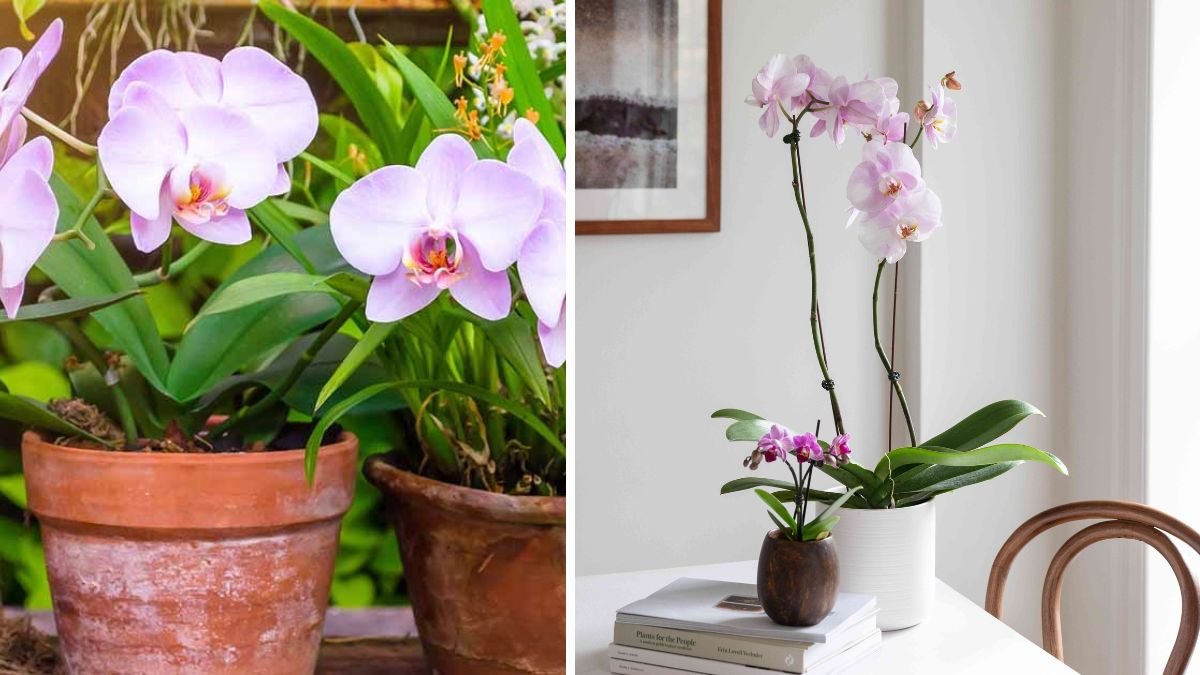
Phalaenopsis orchids, commonly referred to as “moth orchids,” are among the most popular and easily recognizable types of orchids. Known for their stunning, long-lasting flowers and relatively low care requirements, they are an excellent choice for both beginners and seasoned horticulturists. This guide will walk you through all aspects of growing Phalaenopsis orchids at home, from choosing the right potting materials to troubleshooting common issues.
Understanding Phalaenopsis Orchids
Phalaenopsis orchids are native to tropical Asia and are characterized by their broad, flat leaves and elegant flower spikes that can display blooms in various colors and patterns. They thrive in warm, humid environments, making many homes an excellent habitat for these magnificent plants.
Latest Posts
- How to Use Invisible Wire for a Stunning Climbing Plant Wall
- Are Your Garden Tools Making Your Plants Sick?
- How to Style a Small Studio with Columnar Cacti
- Why Is My Zucchini Shaped Like a Lightbulb?
- How to Protect Your Fruit From Birds Without Nets
- How to Keep Squirrels Away from Your Fruit Trees
- How to Protect Your Fruit from Birds Without Nets
- Why Biochar Is a Game-Changer for Your Kitchen Garden
- Why Some Rare Cacti Bloom Only One Night a Year
- How to Grow Rare Blue Strawberries at Home
Basic Plant Anatomy
Before diving into care instructions, it’s helpful to understand the basic anatomy of a Phalaenopsis orchid:
- Roots: Phalaenopsis orchids have aerial roots that can absorb moisture and nutrients from the air.
- Leaves: Broad, leathery leaves serve as a reservoir for nutrients and water.
- Flower Spike: The long stem from which flowers emerge, often blooming sequentially over time.
Choosing Your Orchid
When selecting your Phalaenopsis orchid, consider the following:
- Color and Variety: They come in myriad colors, from pure white to vibrant pink and yellow.
- Health of the Plant: Look for signs of healthy foliage, such as deep green leaves and strong roots. Avoid plants with yellowing leaves or mushy roots.
Potting Your Phalaenopsis Orchid

Choosing the Right Pot and Medium
Phalaenopsis orchids require specialized potting materials due to their unique root system. Here are some options:
- Pot Type: Choose a pot with drainage holes to prevent waterlogging. Transparent pots can be helpful since they allow you to inspect the roots.
- Potting Mix: A commercial orchid mix typically contains bark, charcoal, and sphagnum moss, which provides good aeration and drainage.
Potting Steps
- Remove the Orchid: Gently take the orchid out of its nursery pot, being careful not to damage the roots.
- Inspect the Roots: Trim away any dead or mushy roots with sterilized scissors.
- Add Potting Medium: Place a small amount of potting medium at the bottom of the pot. Then, position the orchid and fill in with more medium. Ensure the roots are adequately supported but not too tightly packed.
Watering Your Phalaenopsis Orchid
Importance of Watering
Phalaenopsis orchids prefer to dry out slightly between waterings. Overwatering can lead to root rot, a common issue for beginners.
Watering Tips
- Frequency: Water every 7-10 days, allowing the top inch of the potting mix to dry out before your next watering.
- Method: Water thoroughly until it drains from the bottom. Do not let the plant sit in water.
- Humidity: Ideal humidity levels are between 50% and 70%. Watering can help raise humidity, but you may also want to use a pebble tray or humidifier.

Light Requirements
Ideal Light Conditions
Phalaenopsis orchids thrive in bright but indirect light. Too much direct sunlight can scorch their leaves.
Light Tips
- Window Placement: A west or east-facing window is ideal. If placed in a south-facing window, use sheer curtains to diffuse the light.
- Artificial Lighting: If natural light is insufficient, consider using grow lights for 12-14 hours a day.
Fertilizing Your Phalaenopsis Orchid
Nutritional Needs
Fertilizing your orchid regularly is crucial for promoting blooms and overall health.
Fertilization Tips
- Type of Fertilizer: Use a balanced, water-soluble fertilizer formulated for orchids, typically with a ratio of 30-10-10.
- Frequency: Fertilize every 2-4 weeks during the growing season (spring and summer) and reduce during the dormant period (fall and winter).
- Dilution: Always dilute the fertilizer to half strength to prevent root burn.
Repotting Your Phalaenopsis Orchid
Why and When to Repot
Repotting is necessary every 1-2 years or when the potting medium breaks down. Signs that your orchid needs repotting include reduced airflow and visible roots breaking through the pot.

Repotting Steps
- Remove the orchid from its pot carefully.
- Clean the roots and cut away any dead roots.
- Choose a slightly larger pot and add fresh potting medium.
- Follow the potting steps mentioned earlier.
Dealing with Pests and Diseases
Common Problems
- Pests: Look out for mealybugs, aphids, and spider mites. They can be treated with insecticidal soap or neem oil.
- Diseases: Root rot and leaf spots can occur due to overwatering or insufficient air circulation.
Prevention
- Regularly inspect your plant for signs of pests.
- Ensure proper watering and humidity to prevent root rot.
Promoting Blooms
Bloom Cycle
Phalaenopsis orchids typically bloom every 1-2 years. Blooms can last anywhere from a few weeks to several months.

Tips for Encouraging Blooms
- Temperature: A slight drop in nighttime temperatures can trigger blooming.
- Light: Ensure your orchid receives adequate light but not direct sun.
- Stress: A minor stress event, such as temporary reduced watering, can sometimes promote blooming.
Care Over the Year
Seasonal Changes
Spring and Summer: Active growth period; increase watering and fertilization.
Fall and Winter: Reduce watering and fertilization; allow the plant to rest.
FAQs
1. How often should I water my Phalaenopsis orchid?
Water every 7-10 days, allowing the top inch of the potting mix to dry out before watering again.
2. How much light do Phalaenopsis orchids need?
They require bright, indirect light. A west or east-facing window is ideal.
3. What kind of fertilizer should I use?
Use a balanced, water-soluble fertilizer with a ratio of 30-10-10, diluted to half strength.

4. When should I repot my orchid?
Repot every 1-2 years or when the potting medium breaks down. Signs include reduced airflow and roots visible on the surface.
5. How can I encourage my orchid to bloom?
Promote blooming by ensuring proper light, temperature changes, and slight stress in watering.
6. What pests should I watch out for?
Common pests include mealybugs, aphids, and spider mites. Treat them with insecticidal soap or neem oil.
7. Why are the leaves on my orchid turning yellow?
Yellowing leaves can indicate overwatering, insufficient light, or nutrient deficiencies.
Conclusion
Growing Phalaenopsis orchids at home can be a rewarding and enjoyable experience. With their stunning flowers and relatively simple care requirements, they can elevate your indoor plant collection. By following the guidelines outlined in this article, even beginners can flourish in their orchid-growing journey. Happy gardening!