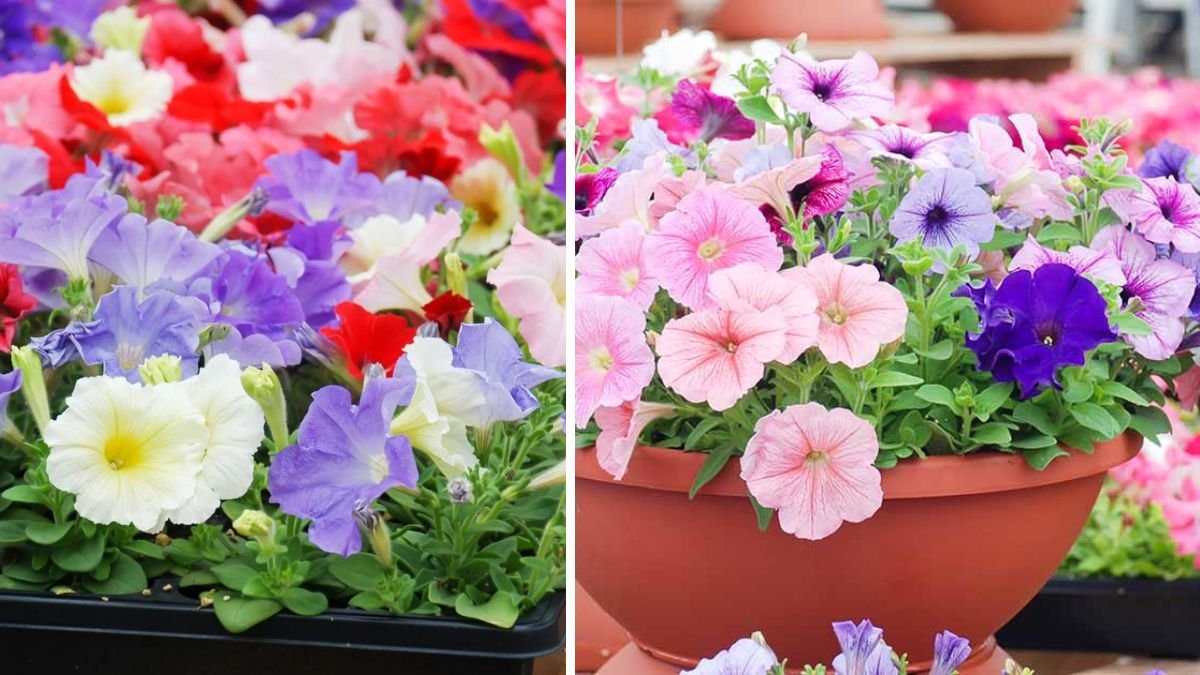
Petunias, with their vibrant colors and delightful fragrances, are a favorite choice for gardeners around the world. These hardy annuals can be grown from seeds, allowing for a lush, colorful display in your garden or on your patio. This guide will take you through every step of growing petunias at home, from sowing seeds to enjoying their stunning blooms.
Understanding Petunias
Types of Petunias
Latest Posts
- How to Use Invisible Wire for a Stunning Climbing Plant Wall
- Are Your Garden Tools Making Your Plants Sick?
- How to Style a Small Studio with Columnar Cacti
- Why Is My Zucchini Shaped Like a Lightbulb?
- How to Protect Your Fruit From Birds Without Nets
- How to Keep Squirrels Away from Your Fruit Trees
- How to Protect Your Fruit from Birds Without Nets
- Why Biochar Is a Game-Changer for Your Kitchen Garden
- Why Some Rare Cacti Bloom Only One Night a Year
- How to Grow Rare Blue Strawberries at Home
Petunias come in various types and series, offering a vast array of colors, patterns, and forms. The main types include:
- Grandiflora: Known for their large blossoms, these petunias are perfect for containers and hanging baskets.
- Multiflora: With smaller flowers, these petunias are hardier and prolific bloomer, making them suitable for garden beds and borders.
- Wave Petunias: These varieties spread out and create a ground cover effect, making them ideal for cascading over the edges of containers or in hanging baskets.
- Trailing Petunias: Perfect for window boxes and hanging planters, these have a cascading habit.
Growing Conditions
Petunias thrive in full sun—ideally 6-8 hours daily. They prefer well-draining soil rich in organic matter. The pH level of the soil should be between 6.0 and 7.0 for optimal growth.
Step-by-Step Guide to Growing Petunias from Seeds
Step 1: Gather Your Supplies
To get started, you’ll need the following items:
- Petunia seeds
- Seed-starting mix or potting soil
- Seed trays or small pots
- Clear plastic cover or plastic wrap
- Watering can or spray bottle
- Fertilizer (optional)
- Labels for identification

Step 2: Starting Seeds Indoors
While petunias can be directly sown outdoors after the last frost, starting seeds indoors gives you a head start.
-
Timing: Start petunia seeds 10-12 weeks before the last expected frost date in your area. Check local gardening resources for specific dates.
-
Prepare the Seed Tray: Fill seed trays or pots with a light seed-starting mix. Moisten the soil with water.
-
Sow the Seeds: Petunia seeds are tiny. Sprinkle them evenly over the surface of the soil; do not bury them, as they need light to germinate.
-
Cover: Lightly press the seeds into the soil or use a light layer of vermiculite. Cover the trays with a clear plastic dome or wrap to maintain humidity.
-
Germination: Place the trays in a warm, bright location (ideally 70-75°F). In about 7-14 days, the seeds should germinate. Remove the cover once seedlings emerge.

Step 3: Caring for Seedlings
Once your seedlings have emerged, they require proper care to grow strong.
-
Light: Move the seedlings to a location with bright indirect light. If natural light is limited, consider using grow lights.
-
Watering: Keep the soil consistently moist but not soggy. Use a spray bottle or gentle watering can to avoid disturbing the seedlings.
-
Thinning: When seedlings have two sets of true leaves, thin them out to prevent overcrowding. Keep the strongest seedlings and remove weaker ones.
-
Fertilizing: After seedlings have been growing for a few weeks, you can start fertilizing every 2-4 weeks with a diluted liquid fertilizer.
Step 4: Transplanting Outside
Once the seedlings are about 3-4 inches tall and the risk of frost has passed, it’s time to transplant them outdoors.
-
Hardening Off: Prepare the seedlings for outside conditions by gradually acclimatizing them over a week. Start by placing them in a sheltered outdoor location for a few hours each day, gradually increasing their exposure to sunlight and wind.
-
Prepare the Garden Bed: Choose a sunny spot and amend the soil with compost or organic matter. This improves drainage and nutrient levels.

-
Transplant: Dig holes large enough to accommodate each seedling. Space them about 10-12 inches apart in a row for optimal air circulation and growth.
-
Watering: Water them thoroughly after transplanting to help settle the soil around the roots.
Step 5: Ongoing Care
To ensure your petunias thrive throughout the blooming season, follow these care tips:
-
Watering: Water petunias deeply but less frequently to encourage deep roots. Aim to keep the soil evenly moist.
-
Fertilizing: Continue to fertilize every 2-4 weeks with a balanced fertilizer during the growing season. This promotes continuous blooming.
-
Pinching Back: To encourage bushier growth, pinch back the tips of the plants regularly, especially after they start to bloom.
-
Deadheading: Remove spent blooms to encourage further flowering. This can increase the overall lifespan of the plants.
-
Pest and Disease Management: Monitor your plants for aphids, spider mites, and powdery mildew. Treat infestations promptly with insecticidal soap or neem oil.
Step 6: Enjoying the Blooms
With proper care, your petunias will reward you with a spectacular display of color. Petunias can bloom from late spring until the first frost, providing lasting beauty throughout the growing season.
Common Challenges and Solutions
1. Seedlings Stretching (Etiolation)
If seedlings become leggy, it’s likely due to inadequate light. Ensure they receive sufficient light, either from a sunny window or grow lights.
2. Wilting Leaves
Wilting can indicate overwatering or underwatering. Check the soil moisture before watering, ensuring a balance.
3. Yellowing Leaves
Yellow leaves may stem from nutrient deficiencies or overwatering. Adjust your watering schedule and consider fertilizing.
FAQs
1. How long does it take petunia seeds to germinate?
Petunia seeds typically germinate within 7-14 days if kept in warm and moist conditions.
2. Can petunias be grown in pots?
Yes, petunias grow well in pots. Ensure the pot has sufficient drainage holes and use good-quality potting mix.
3. Should I start petunia seeds indoors or outdoors?

Starting seeds indoors allows for earlier blooms and better control over growing conditions.
4. How often should I water petunias?
Water petunias deeply once or twice a week, depending on rainfall and temperature. The goal is to keep the soil evenly moist.
5. When should I prune petunias?
Pinch back the tips regularly to encourage branching and bushier growth. Deadhead spent blooms to promote further flowering.
6. Are petunias perennial or annual?
Petunias are generally grown as annuals, but in warmer climates, they can act like perennials, surviving multiple seasons.
7. Can petunias tolerate shade?
While petunias prefer full sun, some varieties can tolerate light shade, especially in extremely hot climates.
8. How can I propagate petunias?
Petunias can be propagated through cuttings taken from healthy plants in the spring or early summer.
Conclusion
Growing petunias from seeds can be a rewarding experience, offering a vibrant pop of color to your garden. By following this simple guide, you’ll be well on your way to nurturing these beautiful flowers from tiny seeds to lush blooms. Remember to provide proper care and enjoy the stunning display that petunias bring to your outdoor space!