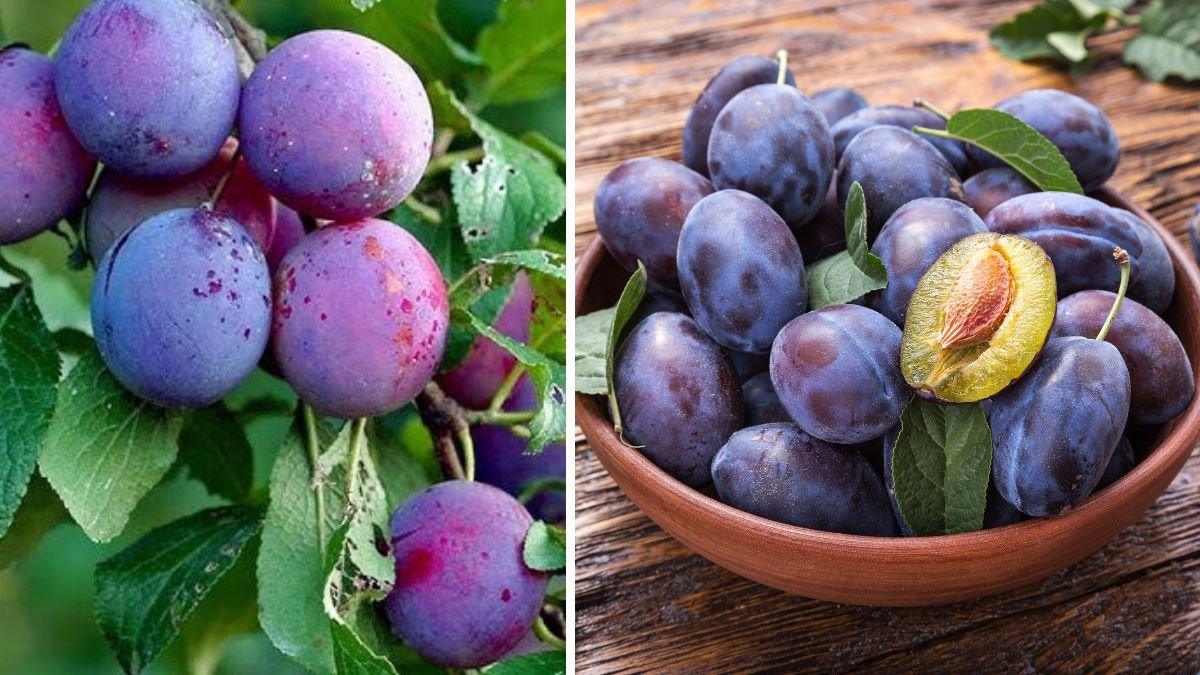
Growing plum trees can be an enriching experience, especially for those living in Canada, where the climate can be favorable for various varieties of plum trees. This comprehensive guide will provide you with easy, simple steps to cultivate these beautiful trees while addressing common queries about plum cultivation.
Understanding Plum Trees
Plum trees belong to the genus Prunus in the Rosaceae family. They produce delicious, juicy fruits that are rich in vitamins and can be eaten fresh, dried, or processed. In Canada, hardy varieties such as the “Hardy Blue,” “Stanley,” and “Mount Royal” thrive well due to their cold tolerance.
Latest Posts
- How to Use Invisible Wire for a Stunning Climbing Plant Wall
- Are Your Garden Tools Making Your Plants Sick?
- How to Style a Small Studio with Columnar Cacti
- Why Is My Zucchini Shaped Like a Lightbulb?
- How to Protect Your Fruit From Birds Without Nets
- How to Keep Squirrels Away from Your Fruit Trees
- How to Protect Your Fruit from Birds Without Nets
- Why Biochar Is a Game-Changer for Your Kitchen Garden
- Why Some Rare Cacti Bloom Only One Night a Year
- How to Grow Rare Blue Strawberries at Home
Benefits of Growing Plum Trees
- Homegrown Fruits: Enjoy fresh, organic plums right from your garden.
- Aesthetic Value: Plum trees offer beautiful blossoms in spring and vibrant foliage in autumn.
- Wildlife Attraction: Plum trees attract various pollinators and birds, enriching your garden’s ecosystem.
Choosing the Right Variety
The first step in growing plums is selecting the right variety suited for your region. Here are a few notable ones:
- Mount Royal: A hardy variety with sweet fruits, perfect for Canada’s colder climate.
- Stanley: Known for its excellent flavor and great yield, ideal for fresh eating and cooking.
- Saskatchewan: This native variety is highly resilient and produces small, sweet fruits.

Step-by-Step Guide to Growing Plum Trees
1. Soil Preparation
Soil Type
Plum trees prefer well-drained, loamy soil with a pH level between 6.0 and 7.0. If your soil is too acidic, consider adding lime to raise the pH. For clay or sandy soils, amend them with organic matter like compost.
Testing Soil
Before planting, conduct a soil test to determine its nutrient content, pH, and overall health. Many local agricultural extension services provide soil testing for a small fee.
2. Selecting a Planting Location
Choose a sunny location, as plum trees thrive in areas that receive at least 6-8 hours of sunlight daily. Ensure there is ample space for the tree to grow, as mature plum trees can spread 15 to 20 feet wide, depending on the variety.
3. Planting Your Plum Tree
Timing
The best time to plant plum trees in Canada is in early spring, after the last frost but before the growing season begins.
Planting Steps
- Dig a hole about twice the size of the root ball, around 18-24 inches deep.
- Place the tree in the center of the hole, ensuring the graft union (the swollen area where the tree was grafted) is above ground.
- Backfill the hole with soil and sterilized compost, making sure the tree is straight and well-supported.
- Water thoroughly to eliminate air pockets and encourage soil settling.
4. Watering and Fertilizing
Watering
During the first year, water your plum tree deeply once a week, allowing the top inch of soil to dry out between waterings. Once established, plum trees require less frequent watering.
Fertilization
Fertilize your plum tree in early spring using a balanced, slow-release fertilizer with a ratio of 10-10-10 or similar. Avoid over-fertilizing, as this can lead to excessive foliage growth at the expense of fruit production.

5. Pruning Your Plum Tree
Pruning is vital for the tree’s health and productivity.
- When to Prune: Late winter or early spring before new growth begins is the ideal time.
- How to Prune:
- Remove dead or damaged branches.
- Thin out crowded areas to allow sunlight penetration.
- Cut back growth to maintain the desired shape and encourage fruit production.
6. Pest and Disease Management
Plum trees can attract pests such as aphids, plum curculio beetles, and aphids. Monitor your tree regularly and use organic pesticides or neem oil when necessary. Additionally, ensure good airflow around the tree to prevent fungal diseases like brown rot.
7. Harvesting Your Plums
Plums are ready to harvest when they develop their full color and are slightly soft to the touch. Typically, this occurs in late summer to early fall, depending on the variety. Handle the plums gently to avoid bruising, and store them in a cool, dry place.
Frequently Asked Questions (FAQs)
Q1: How long does it take for plum trees to produce fruit?
A1: Plum trees typically start producing fruit in 3 to 5 years after planting, depending on the variety and care provided.
Q2: Do plum trees require cross-pollination?
A2: Yes, most plum trees require another variety nearby for cross-pollination to produce fruit. Ensure you plant at least two different varieties within proximity to boost yields.
Q3: Can I grow plum trees in pots?
A3: Yes, dwarf varieties are suitable for container growth. Ensure you choose a large enough pot with good drainage and use quality potting soil.
Q4: Are there any specific climate considerations for growing plum trees in Canada?
A4: Plum trees generally prefer a temperate climate. Ensure you select hardy varieties for colder regions. Providing winter protection, such as mulch or wraps, can help young trees survive harsh winters.
Q5: What should I do if my plum tree doesn’t bloom?
A5: A variety of factors can affect blooming, including inadequate sunlight, poor soil conditions, or improper pruning. Check that your tree is receiving enough light and nutrients, and avoid heavy pruning early in the life of the tree.
Q6: Is it necessary to spray my plum trees?
A6: While not necessary, preventive spraying with organic pesticides can help manage harmful insects and diseases. Always consult local agricultural guidelines before spraying.
Q7: How can I protect my plums from birds?
A7: Use netting or reflective objects around your plum tree to deter birds from pecking at your fruit.
Conclusion
Growing plum trees in Canada can be a rewarding endeavor. With careful planning, attention to detail, and dedication, you can enjoy a bountiful harvest of delicious plums. Whether you’re an experienced gardener or a beginner, following these simple steps will help you cultivate healthy plum trees that will yield sweet rewards for years to come.
Happy gardening!