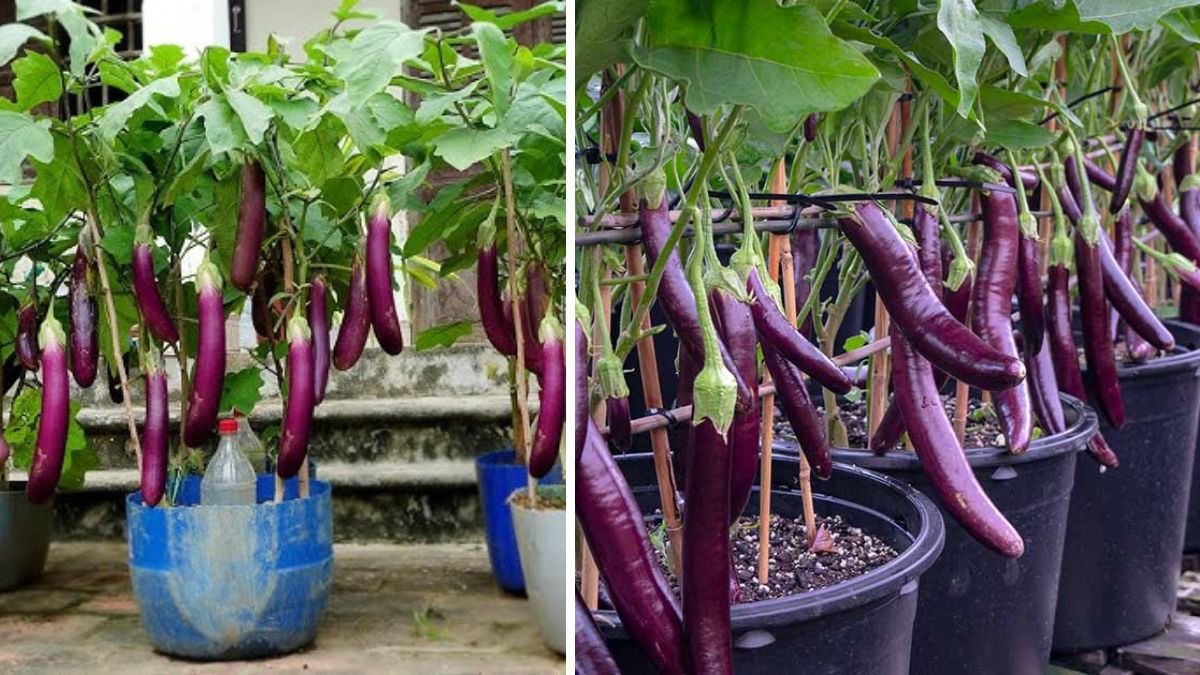
Eggplant, also known as aubergine, is a versatile and delicious vegetable that can be cultivated even in the smallest of spaces. For home gardeners looking to maximize their gardening potential without the luxury of a large backyard, growing eggplant in containers provides a perfect solution. This guide outlines the best practices for successfully growing eggplant in containers, followed by a comprehensive FAQ section to address common queries.
Understanding Eggplant
Before diving into the specifics of container gardening, it’s essential to understand eggplant as a plant. Belonging to the Solanaceae family, which includes tomatoes and peppers, eggplant grows best in warm temperatures and requires consistent care. Different varieties range in color, size, and shape, making them attractive not just for culinary use but also for ornamentation.
Latest Posts
- How to Use Invisible Wire for a Stunning Climbing Plant Wall
- Are Your Garden Tools Making Your Plants Sick?
- How to Style a Small Studio with Columnar Cacti
- Why Is My Zucchini Shaped Like a Lightbulb?
- How to Protect Your Fruit From Birds Without Nets
- How to Keep Squirrels Away from Your Fruit Trees
- How to Protect Your Fruit from Birds Without Nets
- Why Biochar Is a Game-Changer for Your Kitchen Garden
- Why Some Rare Cacti Bloom Only One Night a Year
- How to Grow Rare Blue Strawberries at Home
Choosing the Right Varieties
When selecting eggplant varieties for container gardening, consider their growth habits and sizes:
- Compact Varieties: Look for smaller, dwarf cultivars such as ‘Baby Belle’ or ‘Patio Baby,’ which are bred specifically for containers.
- Heirloom Types: If you enjoy traditional flavors, consider varieties like ‘Black Beauty’ or ‘Nigerian White’ that can still thrive in pots.
- Color Variations: Don’t hesitate to try different colors like lavender, white, or striped varieties for visual appeal and culinary diversity.
Selecting Containers
Container choice is critical for the success of your eggplant:
- Size: Choose containers that are at least 5 gallons in size. This allows enough space for the root system to develop.
- Material: Opt for containers made from materials like plastic, ceramic, or fiberglass, which retain moisture well. Avoid unglazed clay pots, as they can dry out quickly.
- Drainage: Ensure that your containers have adequate drainage holes. Excess water can lead to root rot, a common issue with container gardening.

Soil Requirements
Eggplants flourish in rich, well-draining soil. Here are some key considerations:
- Soil Mix: Use a high-quality potting mix enriched with organic matter. A mixture of peat moss, compost, and perlite or vermiculite works well.
- pH Levels: The ideal pH for eggplants is between 6.0 and 6.8. You can test your soil and amend it accordingly if required.
- Nutrient Requirements: Incorporate slow-release fertilizers into your potting mix to ensure your eggplants receive essential nutrients throughout the growing season.
Planting Eggplants
Timing
Eggplants are warm-season crops and should be planted after the last frost when soil temperatures consistently reach 70°F (21°C):
- Starting from Seed: If starting from seeds, sow them indoors 8 to 10 weeks before the last frost date. Transplant them outdoors when they are about 3 to 4 inches tall.
- Transplanting: If you buy nursery plants, you can plant them directly in the containers once the weather is warm.
Planting Techniques
- Soak the Soil: Water your potting mix thoroughly before planting.
- Transplant: Dig a hole in the center of your container that is slightly larger than the root ball. Place the plant gently in the hole.
- Cover and Water: Fill the hole with soil and water well.

Care and Maintenance
Watering
Consistent watering is crucial for eggplant health:
- Frequency: Check the top inch of the soil. If it feels dry, it’s time to water. Typically, eggplants require about 1 to 1.5 inches of water per week.
- Technique: Water deeply but infrequently to encourage deep root growth.
Fertilizing
Eggplants are heavy feeders:
- Initial Fertilization: Use a balanced fertilizer at planting.
- Continual Feeding: Fertilize with a nitrogen-rich fertilizer every few weeks once the plants start to fruit.
Staking
As eggplants grow, they can become top-heavy:
- Support Structures: Use stakes or cages to support taller varieties. This prevents breakage and helps airflow around the plant.

Pest and Disease Management
Eggplants are susceptible to various pests and diseases. Here’s how to manage them:
Common Pests
- Aphids: These tiny insects can weaken your plants. Spray them off with water or use insecticidal soap.
- Spider Mites: Recognizable by fine webbing, they thrive in dry conditions. Increase humidity or spray with water.
- Whiteflies: Use yellow sticky traps to monitor and manage whitefly populations.
Diseases
- Powdery Mildew: This fungal disease thrives in humid conditions. Ensure good air circulation and avoid overhead watering.
- Root Rot: Prevent this by ensuring proper drainage and avoiding overwatering.
Harvesting
Harvesting eggplants at the right time is crucial for the best flavor:
- Timing: When the fruits have reached their mature size (usually 5 to 7 inches), they can be harvested.
- Indicators: Look for glossy skins and a slight give when pressed. If the skin remains dull and hard, they are not ready.
- Technique: Cut the fruit from the plant with a sharp knife or shears to avoid damaging the plant.
Seasonal Care
Winterization
If you live in a region with freezing temperatures:
- Container Storage: Move your containers indoors or to a protected area to avoid frost damage.
- Pruning: Trim the plants back and remove any dead or yellowing leaves. Consider keeping plants for another season in a sunny spot.
Conclusion
Growing eggplant in containers can be a rewarding gardening experience that provides fresh produce while enhancing your home’s aesthetic. Follow the best practices outlined in this guide to cultivate healthy, fruitful plants, whether you’re a seasoned gardener or a beginner embarking on your home gardening journey.
FAQs
1. Can I grow eggplants in smaller containers?
While it’s possible to grow eggplants in smaller containers, a 5-gallon pot is recommended to support their root systems and yield.
2. How often should I water my eggplants in containers?
Water your eggplants thoroughly when the top inch of soil feels dry. This could mean watering once or twice a week, depending on climate conditions.
3. What is the best fertilizer for eggplants?
A balanced, slow-release fertilizer with higher nitrogen content is ideal, especially during the flowering and fruiting stages.

4. Do eggplants need full sun?
Yes, eggplants thrive in full sun and need at least 6-8 hours of direct sunlight each day for optimal growth.
5. How do I know when eggplants are ready to harvest?
Eggplants are ready to harvest when they are glossy and firm, usually between 5 to 7 inches long, and have a slight give when pressed.
6. Can eggplants be grown indoors?
Yes, eggplants can be grown indoors provided they receive adequate light, either from a sunny location or grow lights.
7. How can I prevent pests on my eggplants?
Regular monitoring, maintaining proper care, and using natural insecticidal soap can help control pests effectively.
8. What should I do if my eggplant leaves are turning yellow?
Yellowing leaves can indicate nutrient deficiency, overwatering, or pest issues. Assess your plants regularly to identify the cause.
With these practices and insights, you can successfully cultivate eggplants in containers, filling your kitchen with fresh, homegrown produce while enjoying the pleasures of gardening even in limited spaces. Happy gardening!