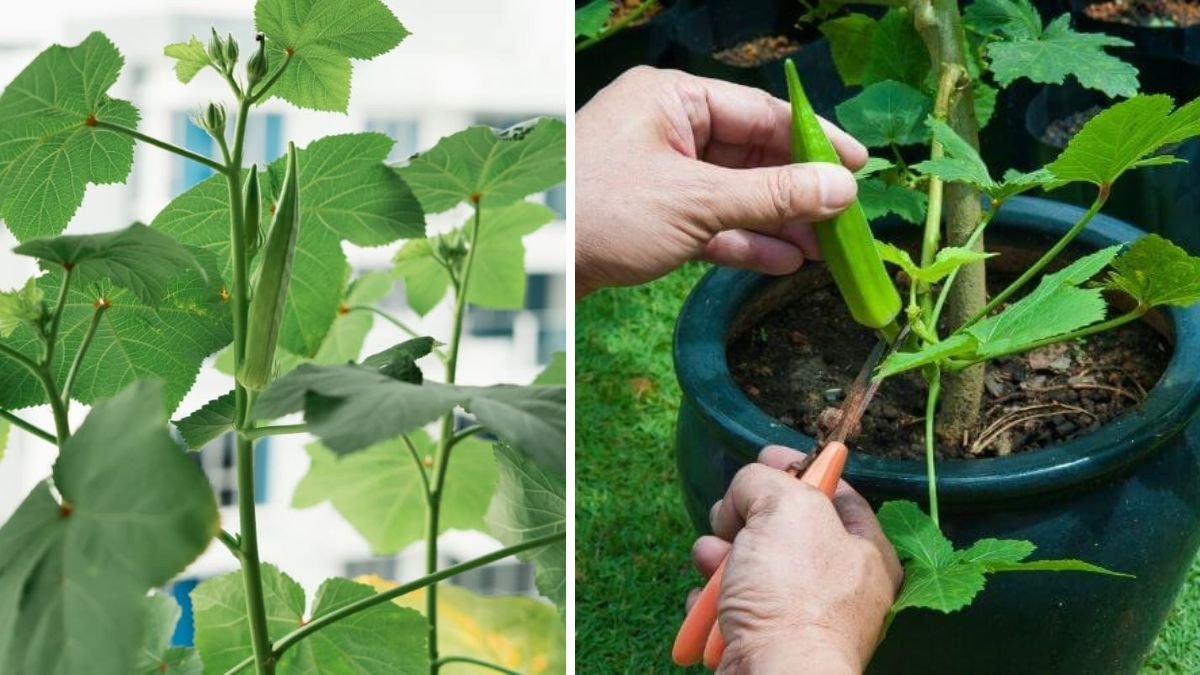
Lady finger, also known as okra (Abelmoschus esculentus), is a warm-season vegetable that thrives in tropical and subtropical climates. Growing lady finger in containers not only allows you to cultivate this nutritious vegetable in limited spaces but also ensures easy management. In this guide, we’ll explore the essential steps and considerations for successfully growing lady finger in a container for maximum yield.
Why Grow Lady Finger in a Container?
- How to Use Invisible Wire for a Stunning Climbing Plant Wall
- Are Your Garden Tools Making Your Plants Sick?
- How to Style a Small Studio with Columnar Cacti
- Why Is My Zucchini Shaped Like a Lightbulb?
- How to Protect Your Fruit From Birds Without Nets
- How to Keep Squirrels Away from Your Fruit Trees
- How to Protect Your Fruit from Birds Without Nets
- Why Biochar Is a Game-Changer for Your Kitchen Garden
- Why Some Rare Cacti Bloom Only One Night a Year
- How to Grow Rare Blue Strawberries at Home
- Space Efficiency: Container gardening is perfect for those with limited space, such as apartment dwellers or people with small yards.
- Soil Control: You can ensure the right mix of soil amendments for optimal growth.
- Mobility: Containers can be moved to find the best sunlight during different seasons.
- Pest Management: Elevating plants off the ground can help deter certain pest issues.
Latest Posts
Choosing the Right Container
Size Matters
For lady finger, select a container that is at least 5-7 gallons in size. A larger container promotes better root growth and allows for more soil, which retains moisture better.
Material
Containers can be made of various materials, such as plastic, ceramic, or fabric. Each has pros and cons:
- Plastic: Lightweight and affordable but may retain heat.
- Ceramic: Attractive and provides insulation but can be heavy and breakable.
- Fabric: Promotes air circulation to roots, preventing root rot.
Drainage

Ensure that your container has several drainage holes to prevent water accumulation, which can lead to root rot.
Soil Preparation
Soil Type
Lady finger thrives in well-draining, rich soil. A potting mix specifically formulated for vegetables is ideal but can be edited for better results. Here’s a simple mix:
- 50% potting soil
- 25% compost
- 25% perlite or vermiculite for aeration
Nutrient Enrichment
Before planting, enrich the soil with organic fertilizers like compost, well-rotted manure, or a balanced fertilizer. This will provide the necessary nutrients that lady fingers need during growth.
Choosing Seeds
Variety
There are numerous varieties of lady finger to choose from. Some popular ones include:
- Clemson Spineless: Known for its smooth texture and spineless pods.
- Burgundy: Produces beautiful maroon-colored pods and is less fibrous.
- Emerald: Renowned for its high yield and disease resistance.
Sowing Seeds
Consider starting seeds indoors 4-6 weeks before the last frost date in your area or direct sowing them in your container after the last frost. It’s essential to wait until the soil temperature is at least 75°F (24°C) for germination.
Seed Depth
Plant seeds about 1 inch deep. Space seeds 2-3 feet apart if planting multiple seeds in a larger container to ensure they have enough room to grow.
Watering and Moisture Management
Watering Frequency
Lady finger prefers consistent moisture, especially during the germination stage. Water your plants regularly, keeping the soil moist but not waterlogged. A good rule of thumb is to water when the top inch of soil feels dry.
Techniques
Using a drip irrigation system or self-watering pots can help maintain consistent moisture levels. Mulching the topsoil with straw or wood chips can also help retain water.
Fertilizing
When to Fertilize
Begin fertilizing when the plants are about 6-8 inches tall and continue every 4-6 weeks.
Type of Fertilizer
Use a balanced fertilizer (like a 10-10-10 NPK) or an organic option like fish emulsion or seaweed extract. Avoid heavy nitrogen fertilizers during the flowering stage, as they may reduce fruiting.
Light Requirements

Lady finger plants thrive with at least 6-8 hours of direct sunlight daily. Place your container in a spot that receives ample sunlight. If natural light is limited, consider using grow lights.
Pest and Disease Management
Common Pests
Lady finger is susceptible to pests like aphids, spider mites, and whiteflies. Strategies for management include:
- Regular Monitoring: Check plants for signs of infestation.
- Neem Oil: Apply neem oil spray to deter pests.
- Beneficial Insects: Ladybugs or lacewings can help control aphids.
Diseases
Powdery mildew and root rot are common issues. To prevent these:
- Ensure adequate airflow around plants.
- Avoid overhead watering.
- Rotate crops each year to reduce fungal issues.
Pruning and Supporting Plants
Pruning
As lady fingers grow taller (up to 4 feet), you may want to prune some leaves to improve airflow and light penetration. Remove any dead or yellowing leaves.
Support
While lady finger plants are relatively sturdy, adding a trellis or stakes can provide additional support, especially in windy areas or if heavy fruit is produced.
Harvesting
When to Harvest
Lady finger pods are typically ready for harvest 50-60 days after planting. Harvest when the pods are 2-4 inches long and still tender. Waiting too long will lead to tough, fibrous pods.
How to Harvest
Use scissors or pruners to cut the pods off the stem to avoid damaging the plant. Regular harvesting encourages the plant to produce more pods.
Storing and Using Harvested Lady Fingers
Storage
Fresh lady fingers can be stored in the refrigerator for up to a week. For longer storage, consider blanching and freezing them.
Culinary Uses
Lady fingers are versatile in the kitchen. They can be used in stir-fries, soups, or even fried for crunchy snacks. They are rich in vitamins A, C, and K and are a great source of fiber.
Conclusion
By following these steps, you can successfully grow lady finger in a container and maximize your yield. With proper care, you’ll enjoy a bountiful harvest of this nutritious vegetable right from your balcony or patio. Be patient and attentive to your plants, and soon you’ll enjoy the fruits of your labor.
FAQs
1. How much sunlight does lady finger need?
Lady finger requires at least 6-8 hours of direct sunlight daily for optimal growth.
2. Can I grow lady finger indoors?
Yes, you can grow lady finger indoors if you have access to bright, natural light or use grow lights.
3. How often should I water lady finger plants?
Water the plants regularly to keep the soil consistently moist but not soggy, checking daily until established.
4. What is the ideal temperature for growing lady finger?
Lady finger thrives in temperatures between 75°F to 95°F (24°C to 35°C).
5. How can I prevent pests in my lady finger plants?
Regularly check your plants for pests, and use neem oil or introduce beneficial insects like ladybugs to help manage infestations.
6. When can I begin harvesting lady fingers?
Pods are typically ready to harvest 50-60 days after planting, when they are about 2-4 inches long and tender.
7. Do container-grown lady fingers need special fertilization?
While container-grown lady fingers will benefit from regular fertilizing, avoid over-fertilization and use balanced or organic options for the best results.