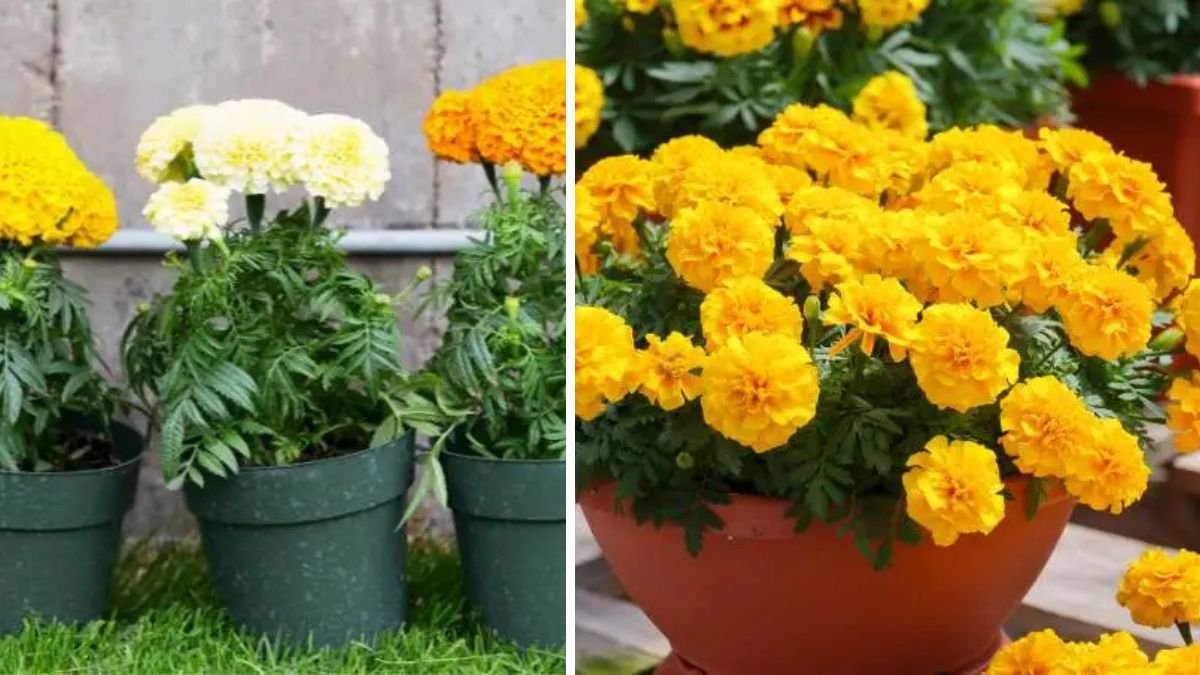
Marigolds are among the most cherished flowers in gardens around the world. Known for their vibrant colors and ease of care, these resilient blooms are symbols of warmth and creativity. This ultimate guide will walk you through the steps to grow marigolds naturally and effectively, ensuring a flourishing garden that not only delights the eye but also thrives in various conditions.
Why Choose Marigolds?
Marigolds belong to the Tagetes genus, and they are prized for several reasons:
Latest Posts
- How to Use Invisible Wire for a Stunning Climbing Plant Wall
- Are Your Garden Tools Making Your Plants Sick?
- How to Style a Small Studio with Columnar Cacti
- Why Is My Zucchini Shaped Like a Lightbulb?
- How to Protect Your Fruit From Birds Without Nets
- How to Keep Squirrels Away from Your Fruit Trees
- How to Protect Your Fruit from Birds Without Nets
- Why Biochar Is a Game-Changer for Your Kitchen Garden
- Why Some Rare Cacti Bloom Only One Night a Year
- How to Grow Rare Blue Strawberries at Home
-
Aesthetic Appeal: Their bright orange, yellow, and red hues make them perfect for any garden setting.
-
Pest Control: Marigolds emit a strong scent that deters various types of pests, making them an excellent companion plant.
-
Soil Health: They can improve the soil quality by attracting beneficial insects and microorganisms.
-
Easy Maintenance: Marigolds are hardy plants that require minimal care, making them ideal for novice gardeners.
-
Versatility: They can be grown in gardens, pots, and even hanging baskets.
Selecting the Right Marigold Variety
Before you start growing marigolds, it’s essential to select the right variety for your specific needs. Here are some popular types:
-
French Marigolds (Tagetes patula): These are compact and bushy, featuring a wide range of colors. They usually grow to about 6–12 inches in height and are excellent for borders.
-
African Marigolds (Tagetes erecta): Taller than French marigolds, they can reach up to 3 feet and have large, pom-pom-like flowers. They are ideal for cut flowers.
-
Signet Marigolds (Tagetes tenuifolia): These smaller varieties produce delicate flowers and have a distinct citrus fragrance. They are perfect for herb gardens and edible landscapes.

Growing Conditions
Soil
Marigolds thrive in well-draining soil with a pH between 6.0 and 7.0. To prepare your soil, follow these steps:
-
Testing: Use a soil testing kit to determine pH levels.
-
Amendments: If your soil is too acidic, add lime to raise the pH; if it’s alkaline, compost or sulfur can help lower it.
-
Organic Matter: Incorporate compost or well-rotted manure into the soil to boost nutrients.
Light
Marigolds need plenty of sunlight to flourish. Aim for a location that receives at least 6–8 hours of direct sunlight each day. If you’re growing marigolds indoors, consider placing them near a south-facing window.
Water
Marigolds prefer moderate watering. Overwatering can lead to root rot, while underwatering can stress the plants. Here are some tips:
-
Watering Schedule: Water deeply once a week, allowing the soil to dry out slightly between waterings.
-
Morning Watering: Water early in the day to minimize evaporation and fungal growth.
Planting Marigolds
Seed Starting
Starting marigolds from seeds is a cost-effective method. Here’s how to do it:

-
Sowing Indoors: If you’re starting indoors, sow seeds 6–8 weeks before the last frost date. Use seed trays filled with seed starting mix and cover them lightly with soil.
-
Transplanting: Once seedlings develop true leaves and outdoor conditions are favorable, transplant them to your garden or pots.
-
Direct Sowing: You can also sow seeds directly in your garden after the last frost. Space seeds about 6–12 inches apart, depending on the variety.
Transplanting
When transplanting seedlings, follow these guidelines:
-
Timing: Transplant on a cloudy day or in the late afternoon to prevent transplant shock.
-
Spacing: Give each plant enough space to grow; typically, 10–12 inches apart for larger varieties.
-
Soil Coverage: Plant at the same depth as they were in their pots, firming the soil gently around the base.
Caring for Marigolds
Once your marigolds are established, regular care will help them thrive.
Fertilizing
While marigolds can tolerate lower nutrient levels, a balanced fertilizer can enhance growth. Consider the following:
-
Timing: Apply a granular fertilizer at planting and again in mid-summer.

-
Organic Options: Look for organic fertilizers made from plant-based ingredients to maintain overall soil health.
Pruning
Pruning helps promote bushier growth and prolongs blooming. Here’s how to do it:
-
Deadheading: Regularly remove spent flowers to encourage more blooms.
-
Trimming: If the plants grow leggy, trim back some of the stems to promote denser growth.
Pest and Disease Management
Marigolds are generally resistant to pests and diseases, but keep an eye out for common issues:
-
Pests: Aphids and spider mites may occasionally infest marigolds. Use insecticidal soap or neem oil for treatment.
-
Fungal Diseases: Ensure good air circulation to prevent powdery mildew. If seen, remove affected leaves and avoid wetting the foliage when watering.
Harvesting Marigold Flowers
Harvesting marigold flowers can add color and vibrancy to your home. Follow these tips:
-
Timing: Harvest flowers in the morning when they are fully open but not wilting.
-
Method: Use scissors or garden shears to cut the stem just above the first set of leaves.

-
Storage: Store harvested flowers in a cool, dark place, or use them fresh in arrangements.
Companion Planting with Marigolds
Marigolds make great companion plants due to their pest-repelling properties. Here are some plants that benefit from marigolds:
-
Tomatoes: Marigolds can repel nematodes and enhance tomato growth.
-
Basil: Both plants benefit from improved flavor; marigolds deter harmful insects.
-
Peppers: Planting marigolds near peppers can promote better health and yield.
FAQs
1. When is the best time to plant marigolds?
- Answer: In most regions, it’s best to plant marigolds after the last frost date in your area, typically in late spring.
2. How often should I water my marigolds?
- Answer: Water deeply once a week, allowing the soil to dry slightly between waterings.
3. Can marigolds be grown in pots?
- Answer: Absolutely! Marigolds grow well in pots. Ensure the pots have good drainage and use quality potting soil.

4. Why are my marigolds wilting?
- Answer: Wilting may be due to underwatering, overwatering, or root rot. Check the soil moisture level and drainage.
5. Are marigolds safe for pets?
- Answer: Marigolds are generally safe for pets; however, ingestion can cause mild stomach upset in some animals.
6. Can I grow marigolds from cuttings?
- Answer: Marigolds are usually grown from seeds rather than cuttings, as they do not root easily.
7. How do I get rid of aphids on marigolds?
- Answer: Use insecticidal soap or neem oil to treat aphid infestations effectively.
8. What is the lifespan of marigold flowers?
- Answer: Marigolds typically bloom from late spring until the first frost, lasting several months if cared for properly.
Conclusion
Growing marigolds naturally and effectively is not only an enriching experience but also a rewarding one. Their beauty, versatility, and ease of care make them an excellent choice for any gardener, whether seasoned or new. With the information provided in this guide, you can cultivate a stunning display of marigolds that will thrive and brighten up your garden. Happy gardening!