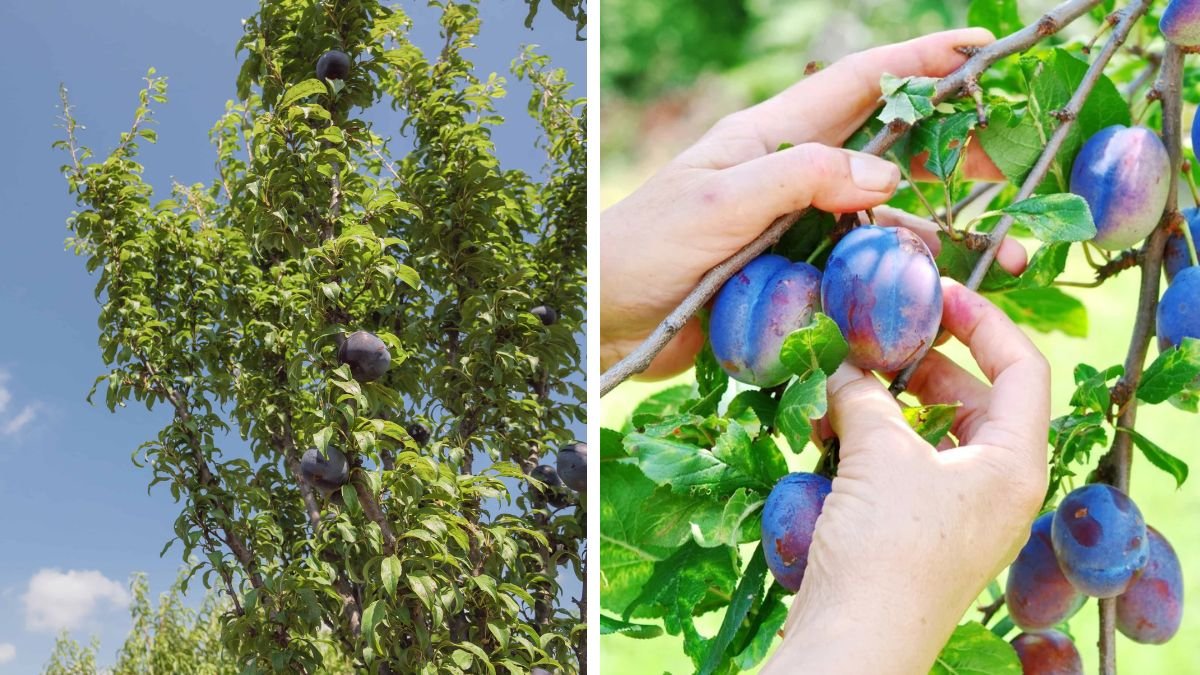
European plums (Prunus domestica) are a delightful addition to any backyard garden. Known for their sweet, juicy flesh and versatility in culinary applications, these fruits can elevate your gardening experience. This comprehensive guide will take you through the essentials of successfully growing European plums, from understanding their requirements to dealing with common pests. Let’s get started!
1. Understanding European Plums
Characteristics
Latest Posts
- How to Use Invisible Wire for a Stunning Climbing Plant Wall
- Are Your Garden Tools Making Your Plants Sick?
- How to Style a Small Studio with Columnar Cacti
- Why Is My Zucchini Shaped Like a Lightbulb?
- How to Protect Your Fruit From Birds Without Nets
- How to Keep Squirrels Away from Your Fruit Trees
- How to Protect Your Fruit from Birds Without Nets
- Why Biochar Is a Game-Changer for Your Kitchen Garden
- Why Some Rare Cacti Bloom Only One Night a Year
- How to Grow Rare Blue Strawberries at Home
European plums are characterized by their smooth skin, which ranges from yellow to deep purple. They are usually sweet and juicy, making them excellent for fresh eating, canning, jams, and more. Varieties like ‘Stanley,’ ‘Damson,’ and ‘Sloe’ are popular among gardeners.
Nutritional Benefits
Plums are packed with nutrients. They are rich in vitamins A and C, fiber, and antioxidants, making them not just delicious but also beneficial for overall health.
2. Selecting the Right Variety
When cultivating European plums, it’s crucial to choose the right variety that suits your climate and culinary needs. Here are some popular options:
- Stanley: A widely grown, blue-skinned variety known for its sweet flavor and rich yield.
- Damson: Smaller, tart plums ideal for preserves and jams.
- Sloe: Often used in gin-making, these berries are more sour but add depth to dishes.
Make sure to consider your zone and select a variety that will thrive in your local climate conditions.

3. Site Preparation
3.1 Soil Requirements
European plums prefer well-drained, loamy soil that is rich in organic matter. The ideal pH range is between 6.0 and 7.5. To prepare your site:
- Testing Soil: First, conduct a soil test to check pH and nutrient levels. This can help you amend the soil as needed.
- Amending Soil: Add compost or well-rotted manure to improve fertility and structure if needed.
3.2 Sunlight
Plum trees thrive in full sun, requiring at least 6 to 8 hours of sunlight each day. Choose a location that offers ample light to promote healthy growth and fruiting.
3.3 Spacing
Plant your plum trees with enough spacing to allow air circulation and sunlight penetration. Generally, space them about 15 to 20 feet apart, depending on the variety’s mature size.
4. Planting European Plums
4.1 When to Plant
The best time to plant European plums is in the early spring or late fall when the trees are dormant.

4.2 Planting Steps
- Digging the Hole: Dig a hole that is twice as wide as the root ball and just as deep.
- Preparing the Roots: Soak the roots in water for several hours before planting.
- Planting: Place the tree in the center of the hole and ensure that the graft union (swelling on the trunk) is above soil level. Backfill the hole with soil, pressing down lightly to eliminate air pockets.
- Watering: Water thoroughly after planting.
5. Caring for Your Plum Trees
5.1 Watering
While European plums are drought-resistant, regular watering is essential during the first few years, especially in dry spells. Aim for deep watering, about once a week, to encourage deep root growth.
5.2 Fertilization
Fertilizing will help your plum trees reach their full potential. Use a balanced fertilizer or a specific fruit tree fertilizer in early spring. Follow the manufacturer’s instructions for application rates.
5.3 Pruning
Pruning is crucial for maintaining shape and health:
- Timing: Prune in late winter or early spring before new growth begins.
- Methods: Remove dead or crossing branches, maintaining an open center for good airflow and sunlight penetration.

5.4 Pest and Disease Management
Monitoring for pests—such as plum curculio, aphids, and spider mites—is integral to keeping your trees healthy. Use organic methods like neem oil or insecticidal soap for control.
5.5 Mulching
Apply a layer of organic mulch around the base of your trees to retain moisture, suppress weeds, and regulate soil temperature. Avoid piling mulch against the trunk to prevent rot.
6. Pollination and Harvesting
6.1 Pollination Needs
Most European plums are self-pollinating, but planting a second tree can significantly boost fruit yields. Check specific varieties for their pollination requirements.
6.2 Harvesting
Harvest plums when they are fully colored and slightly soft to the touch. This typically occurs in late summer to early fall, depending on the variety.
7. Common Problems
7.1 Fruit Drop
If you notice premature fruit drop, it may be due to inconsistent watering or poor pollination. Ensure a consistent watering schedule and check for pollination issues.
7.2 Brown Rot
A fungal disease affecting fruit can be managed by maintaining good airflow, avoiding overhead watering, and removing affected fruits.
7.3 Plum Curculio
These pests can cause significant damage. Use traps or natural predators to control their population.
8. Recipes Using European Plums
Your harvest of plums can be transformed into a variety of delicious dishes:
- Plum Jam: Combine plums, sugar, and lemon juice for a rich, spreadable treat.
- Plum Crisp: Roast halved plums with a crumb topping for a warm dessert.
- Plum Sauce: Blend plums into a savory sauce for meats and roasted vegetables.
FAQs
1. How long does it take for European plums to bear fruit?
Most European plum trees will begin producing fruit within 3 to 6 years after planting, depending on the variety and care.
2. Do European plums require a second tree for cross-pollination?
While many European plums are self-pollinating, having a second tree can enhance fruit set and yields.
3. What is the best way to store fresh plums?
Store plums at room temperature to ripen, then place them in the refrigerator for up to one week once fully ripe.
4. How do I know when my plums are ripe?
Ripe plums will have a rich color and yield slightly to pressure. They should also release easily from the tree when gently twisted.
5. Can I grow European plums in containers?
Yes, you can grow European plums in large containers, ensuring adequate water and nutrients. Choose dwarf varieties for better management.
Conclusion
Growing European plums in your backyard can be a rewarding and fulfilling experience. With proper care, attention to pests, and a good understanding of the plants’ needs, you can enjoy delicious fruits for years to come. Happy gardening!