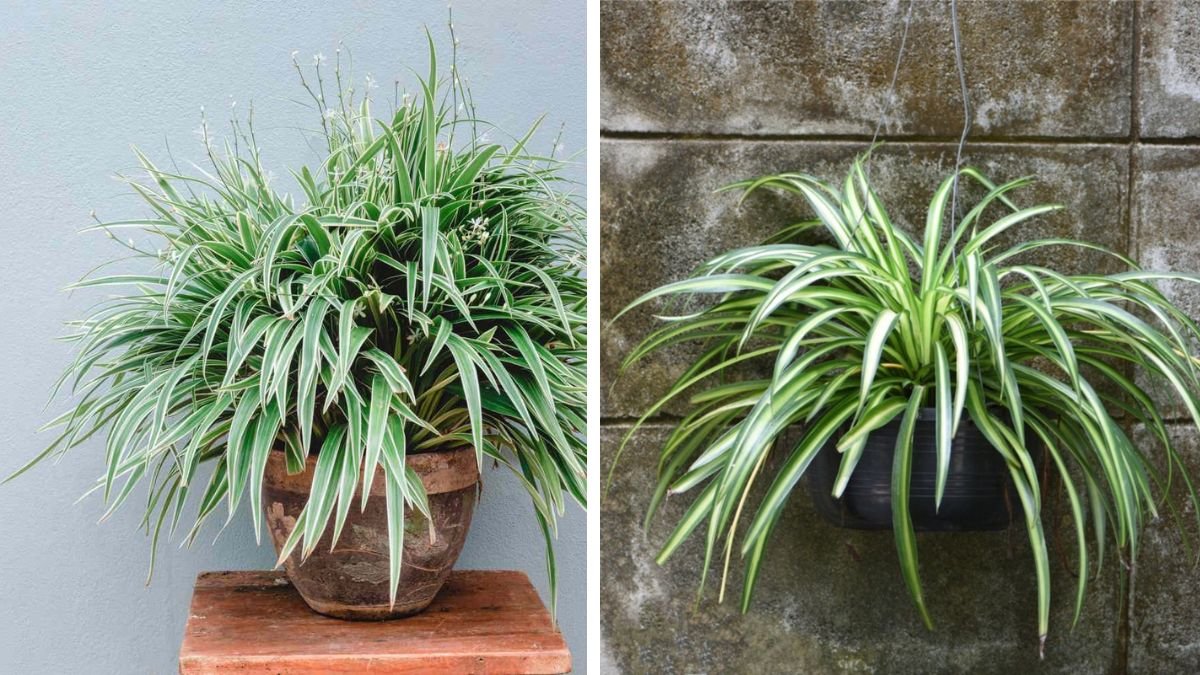
Spider plants (Chlorophytum comosum) are among the most popular houseplants due to their striking green and white striped foliage and adaptability to various indoor conditions. They are not only aesthetically pleasing but also known for their air-purifying qualities. If you’re thinking about adding spider plants to your indoor garden or want to improve how you’re currently growing them, this guide will cover everything you need to know to successfully grow spider plants inside your home.
Choosing the Right Location
Light Requirements
Latest Posts
- How to Use Invisible Wire for a Stunning Climbing Plant Wall
- Are Your Garden Tools Making Your Plants Sick?
- How to Style a Small Studio with Columnar Cacti
- Why Is My Zucchini Shaped Like a Lightbulb?
- How to Protect Your Fruit From Birds Without Nets
- How to Keep Squirrels Away from Your Fruit Trees
- How to Protect Your Fruit from Birds Without Nets
- Why Biochar Is a Game-Changer for Your Kitchen Garden
- Why Some Rare Cacti Bloom Only One Night a Year
- How to Grow Rare Blue Strawberries at Home
Spider plants thrive in bright, indirect sunlight. While they can tolerate lower light conditions, their growth may become slower, and their variegation may fade. Consider placing them near a window where they can receive filtered sunlight. If the light is too intense, you might notice the leaves turning brown at the tips, indicating sunburn.
Temperature and Humidity
Spider plants prefer a temperature range of 65°F to 75°F (18°C to 24°C). They can tolerate slightly cooler temperatures but should be kept away from extreme cold or hot drafts. As for humidity, spider plants adapt well but do best in moderate to high humidity. Using a humidity tray or a humidifier can help replicate their natural tropical environment.
Soil and Potting
Choosing the Right Soil
Spider plants are not too picky about soil but prefer well-draining potting mixes. A mixture designed for indoor plants or a blend of potting soil, peat moss, and perlite will work well. This type of soil allows for adequate moisture retention while preventing waterlogging, which can lead to root rot.
Pot Selection
Opt for a pot with drainage holes. Spider plants like to be slightly root-bound, so you won’t need to repot them frequently. When choosing a pot, consider materials; ceramic, clay, and plastic pots can all work, but ensure that whatever container you choose has good drainage.

Watering Practices
When and How to Water
One of the most common mistakes people make with spider plants is overwatering. Allow the top inch of the soil to dry out before watering again. Typically, spider plants require watering every 1-2 weeks, but this can vary depending on the season and humidity levels in your home. During the growing season (spring and summer), they may need more frequent watering. Always check the soil moisture to determine when to water.
Signs of Under or Overwatering
- Underwatering: Wilting leaves and browning tips can indicate that the plant is not receiving enough water.
- Overwatering: Yellowing leaves and root rot are signs that the plant is getting too much water.
Fertilization
Spider plants benefit from regular feeding during their growing season. A balanced, water-soluble fertilizer diluted to half-strength can be applied every 4-6 weeks in spring and summer. Avoid over-fertilizing, as this can lead to salt buildup in the soil, harming the plant.
Importance of Seasonal Changes
As the seasons change, so should your care routine. In the fall and winter months, spider plants usually enter dormancy, meaning you can cut back on watering and fertilization significantly.
Pruning and Maintenance

Regular Pruning
Pruning helps to keep your spider plant healthy and encourages bushier growth. Remove any yellowing or dead leaves to give the plant a tidy appearance and to help prevent pests. Also, consider trimming off some of the offsets or “pups” that spider plants often produce. These can be propagated into new plants.
Dealing with Pests
Spider plants can occasionally attract pests such as aphids, spider mites, and mealybugs. Regularly inspect your plants and, if necessary, treat infestations with insecticidal soap or neem oil. Keeping your plant clean by wiping the leaves with a damp cloth can help prevent these issues.
Propagation
Offsets or “Pups”
Spider plants are easy to propagate through offsets, or “pups,” that sprout from the mother plant. These pups can be easily separated and transplanted into new pots filled with suitable soil. Wait until the pups have some roots, and then cut them away from the mother plant to propagate.
Water Propagation
Another method is water propagation. Place the pups in a glass of water until roots develop, then transfer them into soil. This method allows you to watch the growth of the roots, ensuring they are established before potting.
Common Issues and Solutions
Variegation Loss
If your spider plant’s color begins to fade, it may not be receiving enough light. Move it to a brighter location to restore its vibrant appearance.

Leaf Browning
This can be caused by inconsistent watering, either by not watering enough or by over-fertilization. Evaluate your watering routine and adjust as necessary.
Root Rot
If you notice mushy roots or a foul odor, your plant may have root rot. Remove the plant from its pot, trim away affected roots, and repot in fresh, dry soil. Ensure you have a proper watering regimen to prevent this issue in the future.
Benefits of Spider Plants
Spider plants don’t just make beautiful home decor; they also offer a variety of benefits:
- Air Purification: Spider plants are known for filtering out harmful toxins in the air, making them great for improving indoor air quality.
- Easy Care: Frost-tolerant and adaptable, spider plants are ideal for beginners and busy individuals.
- Non-Toxic: Unlike many houseplants, spider plants are non-toxic to pets and children, making them a safe choice for homes.
Conclusion
Growing spider plants indoors can be a rewarding experience. With the right care—adequate light, proper watering, well-draining soil, and appropriate humidity levels—you can enjoy healthy, vibrant spider plants in your home. Plus, their air-purifying abilities make them a fantastic addition to any indoor garden or living space.
Experiment with propagation techniques and enjoy the process of expanding your collection, knowing that spider plants are resilient and adaptable.
Frequently Asked Questions (FAQs)
1. How often should I water my spider plant?
Water your spider plant when the top inch of soil is dry, typically every 1-2 weeks, depending on your indoor environment.
2. Can spider plants thrive in low light?
While spider plants can tolerate low light, they prefer bright, indirect sunlight for optimal growth and color.
3. How do I propagate spider plants?
You can propagate spider plants by separating offsets or pups from the mother plant or by water propagation until roots develop.
4. What do I do with brown tips on leaves?
Brown tips may indicate underwatering or over-fertilization. Ensure you are watering correctly and not over-fertilizing.

5. Are spider plants toxic to pets?
No, spider plants are considered non-toxic to both cats and dogs, making them a safe choice for homes with pets.
6. Can I grow spider plants in water?
Spider plants can be propagated in water, but they should be transplanted into soil once roots have developed for long-term growth.
7. What type of fertilizer is best for spider plants?
A balanced, water-soluble fertilizer diluted to half-strength is ideal for feeding spider plants during their growing season.
8. When is the best time to repot spider plants?
Repotting is typically done in the spring when the plant is actively growing, or when you notice it outgrowing its current pot.
With these guidelines, you’re well on your way to growing thriving spider plants inside your home! Enjoy the process and the many benefits these lovely plants have to offer.