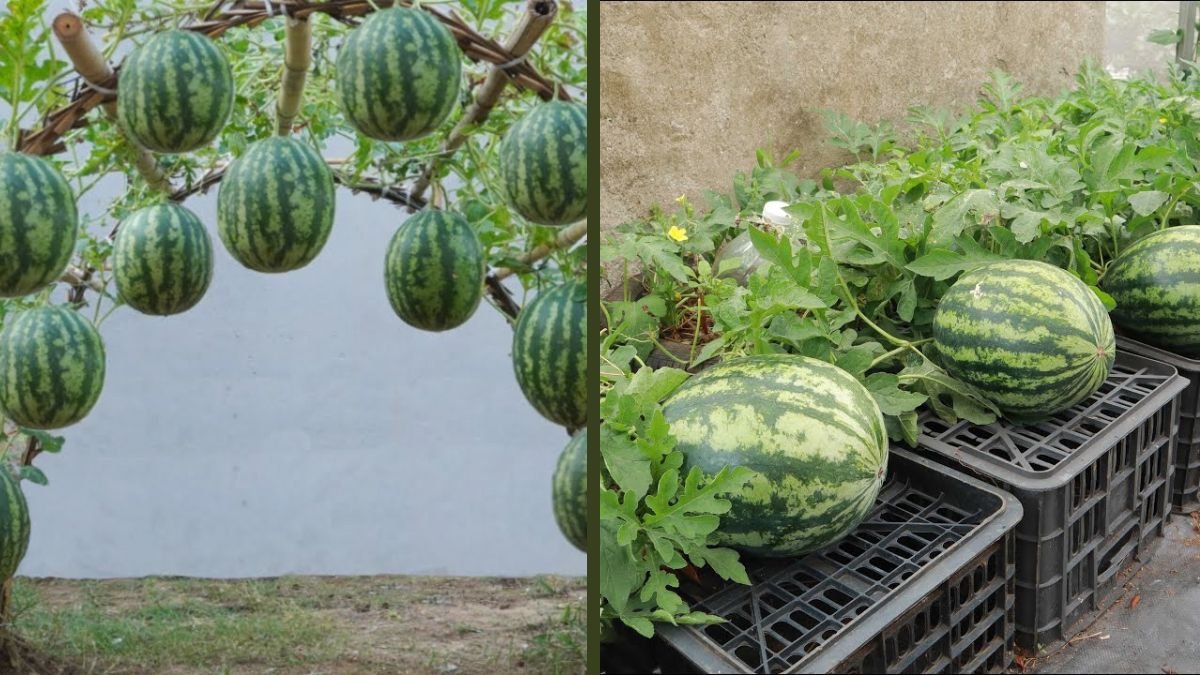
Introduction to Watermelon Cultivation
Watermelon is a highly popular fruit grown globally for its sweet taste and high water content. Home gardeners and farmers alike seek techniques to grow watermelons effectively. Proper care ensures larger fruits, better flavor, and multiple harvests. Watermelons require warm climates, nutrient-rich soil, and sufficient water. The key to success lies in understanding planting methods, irrigation, and pest control. By following effective cultivation practices, you can grow heavy and juicy watermelons. With the right approach, even beginners can achieve high yields. This guide focuses on practical tips and innovative techniques for optimal growth.
Selecting the Right Variety
Choosing the right watermelon variety is crucial for high yield. Popular varieties include Crimson Sweet, Sugar Baby, and Jubilee. Compact varieties suit small gardens, while large types need ample space. Consider disease-resistant hybrids for better success. Choose varieties suitable for your local climate. Seed quality directly affects fruit size and sweetness. Hybrid seeds often produce early and uniform fruits. Correct selection maximizes both quantity and quality of the harvest.
Soil Preparation for Watermelon Growth
Watermelons thrive in well-drained, sandy loam soil. Enrich soil with compost and organic fertilizers. Maintain slightly acidic to neutral pH for optimal growth. Remove weeds and rocks before planting. Soil should be loose to support deep roots. Mulching improves moisture retention and temperature control. Fertile soil enhances fruit size and sweetness. Soil preparation is the foundation of successful watermelon cultivation.
Land Preparation and Planting Techniques
Prepare raised beds or mounds to prevent waterlogging. Space plants at appropriate intervals to ensure airflow. Plant seeds 1 to 2 inches deep. For faster germination, soak seeds in water for 12 hours. Transplant seedlings carefully to avoid root damage. Ensure proper sunlight exposure. Correct planting reduces plant stress. Land preparation directly influences yield and quality.

Watering Practices for Healthy Fruits
Watermelons require consistent watering, especially during flowering and fruit development. Avoid waterlogging to prevent root rot. Drip irrigation is ideal for precise water delivery. Mulch helps retain soil moisture. Early morning watering is best to minimize evaporation. Water stress can lead to small fruits and poor sweetness. Proper hydration ensures strong vines and juicy fruits. Regular monitoring of soil moisture is essential.
Latest Posts
- How to Use Invisible Wire for a Stunning Climbing Plant Wall
- Are Your Garden Tools Making Your Plants Sick?
- How to Style a Small Studio with Columnar Cacti
- Why Is My Zucchini Shaped Like a Lightbulb?
- How to Protect Your Fruit From Birds Without Nets
- How to Keep Squirrels Away from Your Fruit Trees
- How to Protect Your Fruit from Birds Without Nets
- Why Biochar Is a Game-Changer for Your Kitchen Garden
- Why Some Rare Cacti Bloom Only One Night a Year
- How to Grow Rare Blue Strawberries at Home
Fertilization Schedule for Maximum Yield
Watermelons are heavy feeders. Use balanced fertilizers rich in nitrogen, phosphorus, and potassium. Apply organic compost or vermicompost for better results. Feed seedlings during early growth stages. Fertilize again when flowering starts. Avoid excess nitrogen, which delays fruiting. Consistent feeding ensures bigger and sweeter fruits. Fertilization directly impacts productivity.
Sunlight Requirements
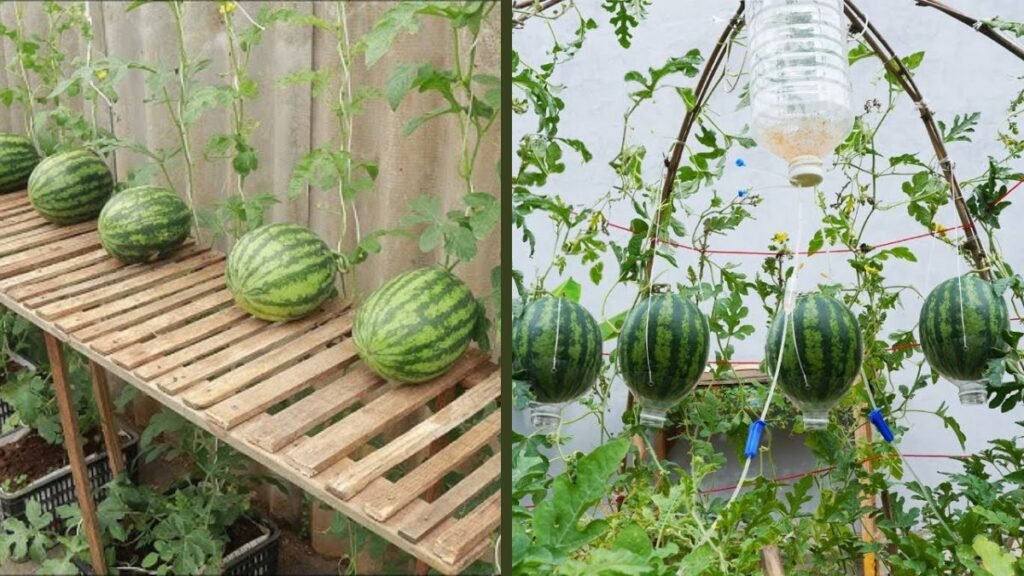
Watermelons need full sunlight for at least 6-8 hours daily. Ensure plants receive unshaded light. Proper sunlight improves photosynthesis and sugar accumulation. Insufficient sunlight leads to smaller fruits and delayed maturation. Use reflective surfaces if needed for additional brightness. Light management ensures healthy vines. Sunlight exposure influences both taste and size. Optimal sunlight accelerates growth and flowering.
Pollination Techniques
Watermelon flowers require pollination for fruit set. Bees are natural pollinators. Hand pollination can increase fruit quantity in areas with fewer bees. Identify male and female flowers for effective pollination. Early morning is the best time for pollination. Healthy flowers set strong fruits. Proper pollination improves yield and fruit uniformity. Observing flowering patterns helps timing.

Pruning and Vine Training
Pruning helps direct energy to fruit development. Remove excessive lateral shoots to improve airflow. Train vines along trellises if space is limited. Focus on strong stems and healthy leaves. Pruning reduces disease risk. Proper vine management ensures large fruits. Train vines to avoid overcrowding. Healthy canopy leads to high-quality harvests.
Pest and Disease Management
Common pests include aphids, fruit flies, and nematodes. Diseases like powdery mildew can affect leaves. Apply neem oil or organic sprays for pest control. Maintain proper spacing to reduce fungal infections. Remove infected leaves promptly. Early detection prevents fruit loss. Healthy plants resist pests better. Integrated pest management increases overall yield.
Harvest Timing
Watermelons are ready for harvest 70-90 days after planting depending on variety. Signs include yellowing of the underside, firm skin, and dry tendrils. Harvest carefully to avoid fruit damage. Timely harvesting ensures sweetness. Delay reduces quality. Monitor for uniform color and aroma. Proper timing maximizes yield and taste. Harvesting technique affects shelf life and flavor.
Post-Harvest Care
Store harvested watermelons in cool, shaded areas. Avoid stacking fruits to prevent bruising. Clean fruits gently before storage or sale. Proper post-harvest care maintains freshness. Maintain moderate humidity. Avoid exposure to direct sunlight. Careful handling ensures maximum shelf life. Quality preservation increases market value.

Growth Monitoring Table
| Aspect | Requirement | Benefit |
|---|---|---|
| Soil | Sandy loam | Root health and growth |
| Water | Consistent | Juicy fruits |
| Sunlight | Full 6-8 hours | Sweetness and size |
| Fertilizer | Balanced NPK | Larger yield |
Innovative Growing Tips
Use plastic mulch to conserve water. Consider drip irrigation for precision. Train vines vertically in small gardens. Remove weak flowers to focus energy on strong fruits. Use natural pest repellents. Rotate crops to maintain soil fertility. Innovative methods improve yield and quality. Combining techniques ensures success.
Companion Planting Benefits
Planting basil or marigold nearby repels pests naturally. Beans can enhance soil nitrogen. Companion planting reduces chemical use. Promotes biodiversity. Enhances soil health. Improves overall plant growth. Strengthens pest resistance. Strategic planning increases productivity.
Soil Testing and pH Management
Regular soil testing helps maintain proper pH. Adjust pH using lime or organic amendments. Balanced soil improves nutrient absorption. pH monitoring prevents deficiencies. Enhances flowering and fruiting. Prevents nutrient lockout. Soil testing is vital for maximum productivity. Healthy soil ensures high-quality fruits.
Seasonal Planning
Plant watermelons during warm seasons. Avoid extreme temperatures. Rotate with other crops for soil health. Seasonal planting prevents disease buildup. Ensures continuous production. Improves fruit quality. Proper timing optimizes resources. Planning reduces risk.

Maximizing Fruit Size
Thin fruits early to allow strong development. Focus nutrients on selected fruits. Remove small or deformed fruits. Ensure balanced water and fertilizer. Train vines for optimal sunlight. Healthy fruits reach maximum size. Proper management increases commercial value. Fruit thinning improves taste and appearance.
Why Watermelon Yields Increase with Care
Healthy roots, proper watering, sunlight, and pest management work together. Each factor complements others. Vigorous vines produce multiple large fruits. Balanced care ensures high productivity. Following best practices leads to maximum yield. Regular observation ensures quick corrections. Successful gardeners achieve excellent results. Careful cultivation makes a difference.
Common Mistakes to Avoid
Overcrowding reduces sunlight and airflow. Overwatering causes root rot. Excess nitrogen delays fruiting. Neglecting pests reduces harvest. Incorrect pruning weakens vines. Poor soil reduces size and sweetness. Avoid these mistakes for optimal yield. Prevention improves productivity.
Final Conclusion
Watermelon cultivation can be highly rewarding with proper planning and care. By selecting the right variety, preparing soil, managing water, sunlight, and nutrients, gardeners achieve maximum yield. Disease and pest management ensures healthy fruits. With attention to timing and techniques, large, juicy, and sweet watermelons are guaranteed. Following these steps produces abundant harvests efficiently.