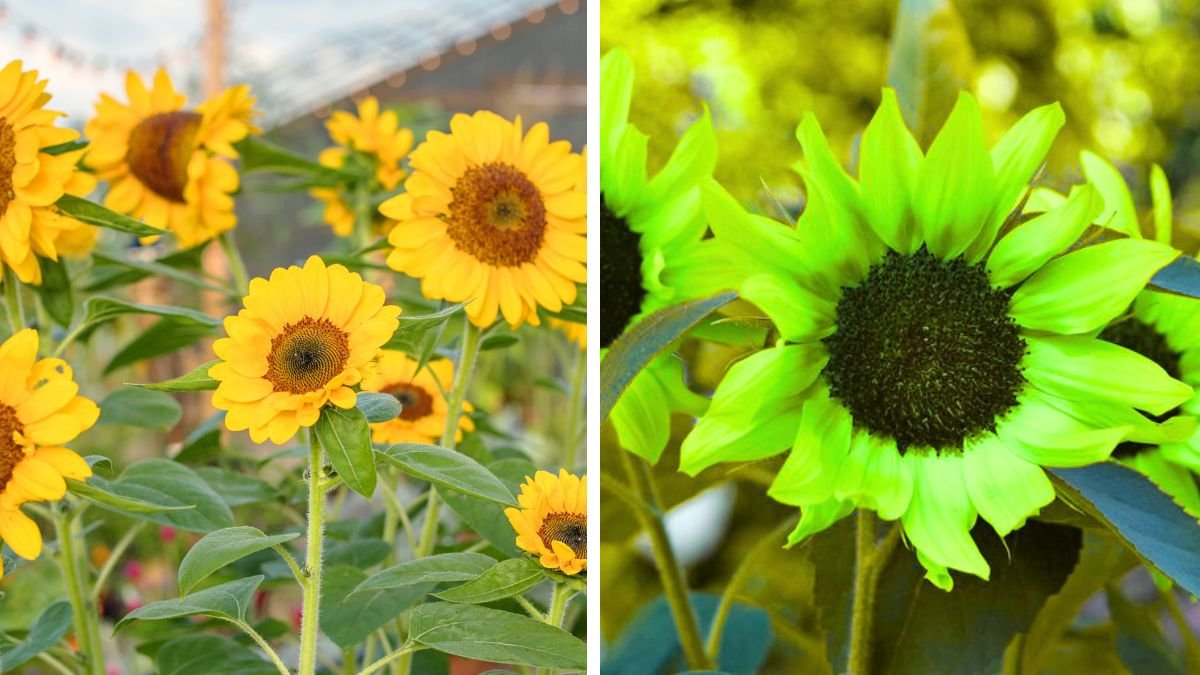
Sunflowers (Helianthus annuus) are not only beautiful but also relatively easy to cultivate, making them an excellent choice for beginners. Their striking yellow blooms can brighten any garden, and they attract pollinators, enhance local ecosystems, and even produce seeds that are nutritious and tasty. This guide will walk you through the steps needed to successfully grow sunflowers at home.
Understanding Sunflowers
Before diving into the growing process, it’s important to understand the basics of sunflowers. They belong to the Asteraceae family and are native to the Americas. These flowers are known for their large, cheerful heads and can grow to impressive heights, some varieties reaching up to 12 feet tall!
Latest Posts
- How to Use Invisible Wire for a Stunning Climbing Plant Wall
- Are Your Garden Tools Making Your Plants Sick?
- How to Style a Small Studio with Columnar Cacti
- Why Is My Zucchini Shaped Like a Lightbulb?
- How to Protect Your Fruit From Birds Without Nets
- How to Keep Squirrels Away from Your Fruit Trees
- How to Protect Your Fruit from Birds Without Nets
- Why Biochar Is a Game-Changer for Your Kitchen Garden
- Why Some Rare Cacti Bloom Only One Night a Year
- How to Grow Rare Blue Strawberries at Home
Varieties of Sunflowers
Sunflowers come in various shapes and sizes. Here are a few popular varieties:
-
Classic Tall Varieties: These include the “Mammoth” sunflower, which can grow over 12 feet tall and produces large seed heads.
-
Dwarf Varieties: Perfect for smaller gardens, varieties like “Teddy Bear” grow only about 1-2 feet tall and have fluffy, double-petal blooms.
-
Multi-branching Varieties: “Autumn Beauty” can produce multiple heads on one plant, displaying a stunning range of colors.
Choosing the right variety for your garden will help ensure a successful growing experience.

Where to Grow Sunflowers
Sunflowers are quite versatile and can be grown in gardens, containers, or even in pots. However, they thrive best in full sun, requiring at least 6-8 hours of direct sunlight each day. Consider the following when selecting a location:
1. Soil Type
- Sunflowers prefer well-draining soil rich in organic material. Sandy or loamy soil is ideal.
- The pH should be slightly acidic to neutral (6.0-7.5).
2. Space
- Plan adequate spacing between plants to allow for their extensive root systems and large flower heads. Space seeds about 6-12 inches apart for smaller varieties and 12-18 inches apart for larger ones.
How to Grow Sunflowers
Step 1: Planting
When to Plant
- Sunflowers are warm-season plants and should be planted after the last frost date in your area. This is typically between April and June, depending on your climate.
How to Plant

- Seed Preparation: Soak sunflower seeds for a few hours to help with germination.
- Digging the Holes: Create holes that are around 1-2 inches deep.
- Sowing Seeds: Place seeds in the hole, cover lightly with soil, and water gently.
Tip: For a continuous bloom, plant seeds every couple of weeks until midsummer.
Step 2: Watering
Water sunflowers thoroughly after planting. They prefer consistent moisture—about 1-2 inches of water per week. If you notice the leaves drooping, it may be a sign they need more water. However, avoid overwatering, as sunflowers are susceptible to root rot.
Step 3: Nutrients
Fertilize sunflowers in the early stages of growth with a balanced fertilizer that is high in phosphorus and potassium. This will promote healthy root development and blooming. A 10-10-10 fertilizer or one specifically formulated for flowering plants is ideal.
Step 4: Pest Management
Sunflowers can attract several pests, including:
- Aphids: These small insects suck sap from the plant and can stunt growth.
- Sunflower Beetles: They eat leaves and flowers and can significantly affect the plant.

To manage pests:
- Introduce beneficial insects like ladybugs that eat aphids.
- Use insecticidal soap or neem oil if infestations occur.
Step 5: Pruning and Supporting
While most sunflowers don’t require pruning, removing dead or damaged leaves can promote healthier plants. For taller varieties, consider using stakes to support the stalks, preventing wind damage.
Step 6: Harvesting Seeds
Once the flowers start to droop and turn brown, it’s time to harvest. Cut the flower head off the stalk, leaving a few inches of stem attached. Hang it upside down in a dry, dark place. After a few weeks, you can easily remove the seeds.
Creating a Beautiful Sunflower Garden
Sunflowers can be mixed with other flowering plants for a vibrant garden display. Pair them with other sun-loving flowers such as zinnias, marigolds, or cosmos for a stunning effect. Planting a wildflower mix alongside your sunflowers can also encourage pollinators and beneficial insects to visit your garden.
Common Challenges
1. Lack of Sunlight
If your sunflowers don’t receive enough sunlight, they may become leggy and fail to bloom. Ensure they’re in a sunny spot.
2. Overwatering
Too much water can lead to root rot. Make sure the soil drains well and only water when necessary.
3. Pests and Diseases
Keep an eye out for pests and fungal diseases. Regularly check your plants and use organic remedies when possible.
Frequently Asked Questions (FAQs)
Q1: How long does it take for sunflowers to bloom?
A1: Most sunflowers take about 70-100 days from planting to bloom, depending on the variety and growing conditions.
Q2: Can I grow sunflowers in pots?
A2: Yes, dwarf varieties are ideal for pots. Ensure the container is large enough and has proper drainage holes.
Q3: Do sunflowers need a lot of water?
A3: Yes, sunflowers need consistent moisture, about 1-2 inches of water per week, especially during dry spells.
Q4: How do I prevent birds from eating my sunflower seeds?
A4: Use netting or scare devices, such as reflective tape or decoys, to deter birds from your garden.

Q5: Can I save sunflower seeds to plant next year?
A5: Absolutely! After harvesting, store the seeds in a cool, dry place. Make sure to label them with the variety and harvest date.
Q6: Are sunflowers easy to grow from seed?
A6: Yes, sunflowers are among the easiest flowers to grow from seed. They are resilient and can thrive in various conditions.
Q7: What should I do if my sunflowers start to bend?
A7: Plants may bend or lean toward the sunlight, a phenomenon called phototropism. If they are too tall and topple over, consider cutting them back slightly or providing support.
Conclusion
Growing sunflowers at home can be a rewarding experience for beginners and seasoned gardeners alike. With their bright yellow hues, they bring joy and life to any space. By following this easy guide, you can nurture these magnificent plants and enjoy their beauty and benefits. So grab your seeds, prepare your garden, and get ready to enjoy the sight of sunflowers dancing in the summer breeze!