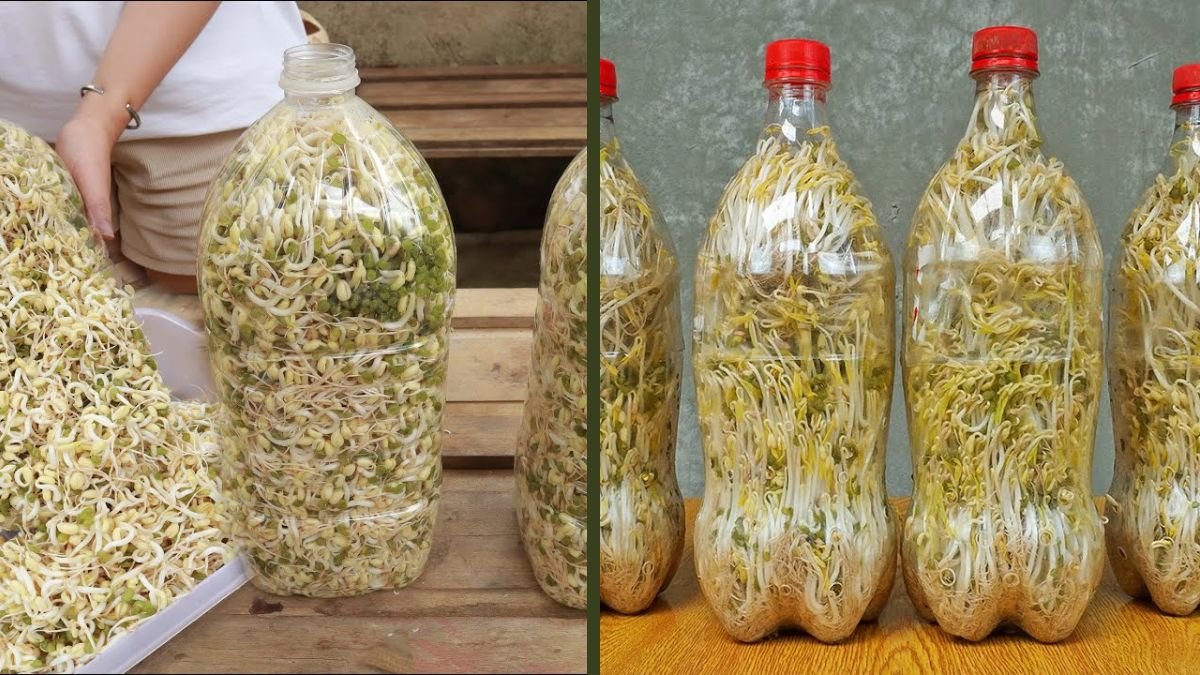
Introduction to Bean Sprouts
Bean sprouts are one of the healthiest and easiest foods to grow at home. They are rich in vitamins, minerals, and enzymes that support digestion and immunity. Beginners often feel sprout growing is difficult, but it is actually very simple. With minimal tools and space, fresh sprouts can be grown in just a few days. Homemade sprouts are cleaner, safer, and more nutritious than store-bought ones. This guide explains three proven methods in detail. Each method suits different household conditions. Anyone can start today.
Why Growing Bean Sprouts at Home Is Beneficial
Homegrown bean sprouts are free from chemicals and preservatives. They are cost-effective and require very little water and space. Fresh sprouts taste better and retain more nutrients. Growing them builds confidence for beginner gardeners. Sprouts grow fast, giving quick results and motivation. They can be grown year-round indoors. No soil is required, making them ideal for apartments. This makes sprouting perfect for beginners.
Choosing the Right Beans for Sprouting
Mung beans are the most popular choice for sprouts. Lentils, chickpeas, soybeans, and black beans can also be used. Always choose whole, unpolished, organic beans. Avoid split or treated beans meant for cooking only. Fresh beans germinate better and faster. Quality beans ensure thick, crunchy sprouts. Store beans in a dry place before use. Good selection improves success rate.
Method One: Jar Method for Beginners
The jar method is the simplest and most common technique. Beans are soaked and sprouted inside a glass jar. It requires minimal equipment and space. Air circulation and drainage are key factors. This method is ideal for kitchens and small homes. Beginners can easily control moisture levels. Growth can be monitored daily. This method produces clean and uniform sprouts.

Steps for Jar Sprouting Method
First, rinse beans thoroughly and soak them overnight. Drain water completely in the morning. Cover the jar mouth with cloth or mesh for airflow. Keep the jar tilted to allow excess water to drain. Rinse beans twice daily with clean water. Store the jar in a dark, warm place. Sprouts appear within two to three days. Harvest when desired length is reached.
Latest Posts
- How to Use Invisible Wire for a Stunning Climbing Plant Wall
- Are Your Garden Tools Making Your Plants Sick?
- How to Style a Small Studio with Columnar Cacti
- Why Is My Zucchini Shaped Like a Lightbulb?
- How to Protect Your Fruit From Birds Without Nets
- How to Keep Squirrels Away from Your Fruit Trees
- How to Protect Your Fruit from Birds Without Nets
- Why Biochar Is a Game-Changer for Your Kitchen Garden
- Why Some Rare Cacti Bloom Only One Night a Year
- How to Grow Rare Blue Strawberries at Home
Method Two: Cloth or Towel Method
The cloth method is traditional and very effective. Beans are wrapped in a damp cotton cloth. This creates a dark and humid environment. It encourages fast sprouting. No jars or containers are required. This method works well in warm climates. It allows thick and crunchy sprouts. It is simple and low-cost.
Steps for Cloth Sprouting Method
Soak beans overnight and rinse well. Spread them evenly on a clean cotton cloth. Wrap the cloth loosely and keep it moist. Place it in a bowl or tray. Rinse and re-wrap twice daily. Maintain moisture without soaking. Sprouts develop quickly within two days. Harvest when sprouts are tender and white.
Method Three: Tray or Basket Method
The tray method is suitable for larger quantities. Beans are spread in a shallow tray or basket. Proper drainage is essential to avoid rot. This method is commonly used for commercial sprouting. It allows uniform growth and easy harvesting. Good airflow prevents mold. Beginners can also use this method easily. It works well for families.

Steps for Tray Sprouting Method
Soak beans overnight and drain well. Spread evenly in a perforated tray. Cover lightly with cloth. Rinse gently two times a day. Ensure excess water drains completely. Keep tray in a warm, dark place. Sprouts grow evenly in three to four days. Harvest when sprouts are firm and fresh.
Watering and Hygiene Tips
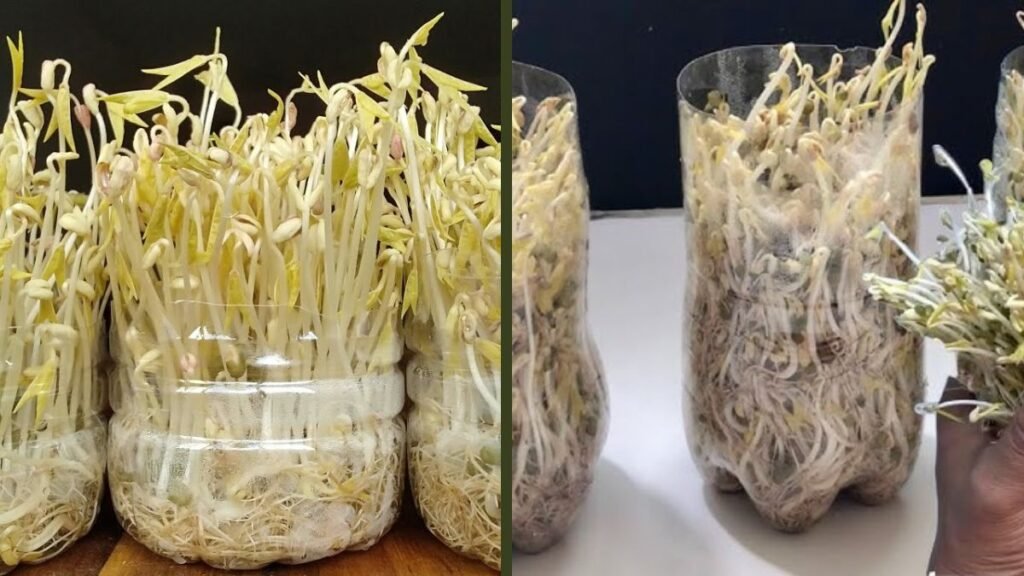
Always use clean drinking water. Do not overwater beans. Excess moisture causes fungal growth. Drain water completely after rinsing. Clean containers before use. Wash hands before handling sprouts. Maintain hygiene throughout the process. This ensures safe and healthy sprouts.
Ideal Temperature and Light Conditions
Bean sprouts grow best in warm temperatures. Avoid direct sunlight during sprouting. Darkness helps sprouts remain white and tender. Excess heat may dry them out. Cold temperatures slow germination. Indoor room temperature is ideal. Maintain consistent conditions. Stable environment improves quality.
Harvesting Bean Sprouts
Sprouts are ready when they reach desired length. Harvest within four to five days for best taste. Longer growth reduces sweetness. Rinse well before use. Remove seed coats if needed. Fresh sprouts are crisp and juicy. Immediate use preserves nutrients. Refrigerate briefly if needed.

Storage Tips for Fresh Sprouts
Store sprouts in an airtight container. Keep in refrigerator for up to three days. Do not wash before storage. Excess moisture reduces shelf life. Use paper towel to absorb moisture. Freshness is best when used quickly. Homemade sprouts are meant for quick consumption. Always smell before use.
Common Mistakes Beginners Make
Overwatering is the most common mistake. Poor drainage causes rot. Using old beans reduces germination. Exposure to sunlight turns sprouts green. Skipping rinsing leads to odor. Crowding beans limits growth. Avoiding hygiene causes contamination. Correcting mistakes ensures success.
Nutritional Value of Bean Sprouts
Bean sprouts are rich in vitamin C. They contain plant protein and fiber. Enzymes improve digestion. Low in calories and fat. Ideal for salads and stir-fries. Regular consumption boosts immunity. Sprouts support heart health. Fresh sprouts provide maximum nutrition.
Comparison of Three Sprouting Methods
Table showing sprouting methods comparison in words
Row headings: Method, Difficulty, Quantity, Best For
Jar Method – Easy, Small quantity, Beginners
Cloth Method – Very easy, Medium quantity, Fast sprouting
Tray Method – Moderate, Large quantity, Families
Using Bean Sprouts in Daily Cooking
Bean sprouts are versatile in cooking. Use them in salads, soups, and stir-fries. They add crunch and freshness. Light cooking preserves nutrients. Sprouts blend well with vegetables and noodles. They are popular in Asian cuisine. Easy to include in meals. Healthy daily addition.
Long-Term Benefits of Home Sprouting
Home sprouting builds healthy habits. Reduces dependency on market produce. Saves money in the long run. Encourages clean eating. Suitable for all age groups. Builds gardening confidence. Sustainable food practice. A skill worth learning.

Conclusion
Making bean sprouts at home is simple, safe, and rewarding. Beginners can choose any of the three proven methods. With proper hygiene, watering, and temperature, success is guaranteed. Fresh sprouts enhance nutrition and taste. This skill requires minimal effort and cost. Anyone can grow sprouts year-round. Start today and enjoy fresh food at home.