Paragraph 1: Introduction to Home-Made Bean Sprouts
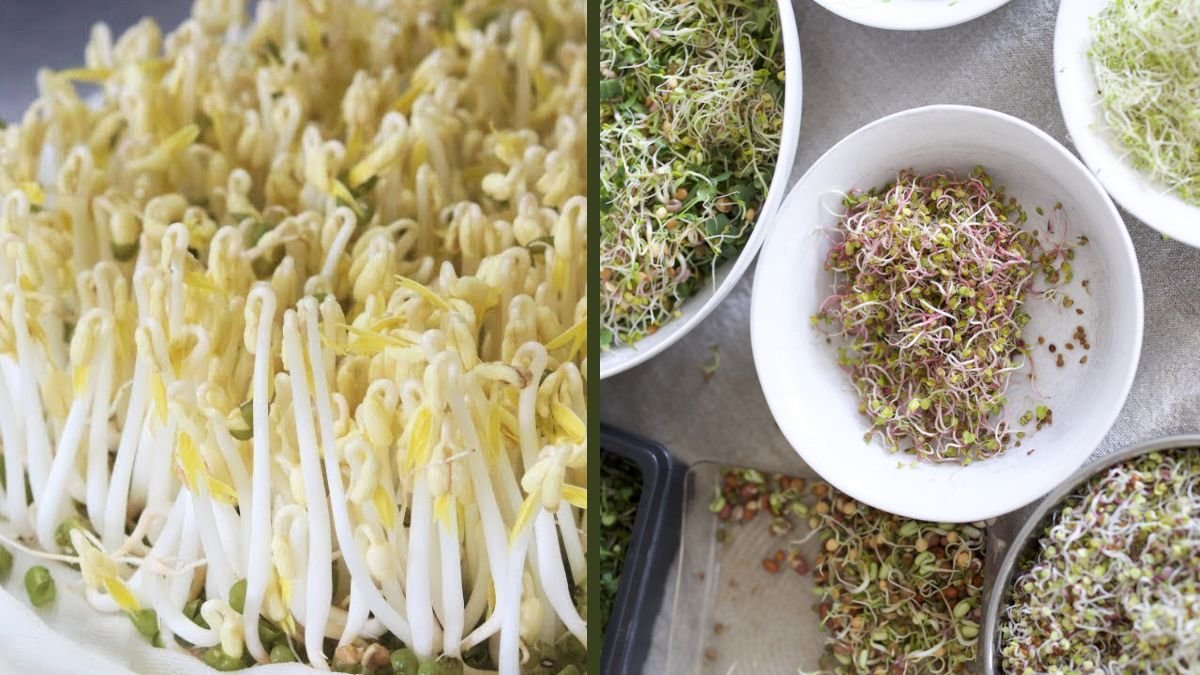
Bean sprouts are one of the healthiest and fastest-growing foods you can make at home. They are rich in vitamins, minerals, and enzymes that improve digestion. Store-bought sprouts often lose freshness and may contain chemicals. Making bean sprouts at home ensures hygiene and better nutrition. White and plump sprouts are especially popular in Asian cooking. The process requires very little space or equipment. Even beginners can grow them easily. This guide explains every step in detail for perfect results.
Paragraph 2: Why Grow Bean Sprouts at Home
Home-grown bean sprouts are fresher and safer than market sprouts. They are free from preservatives and artificial whiteners. Growing at home saves money and reduces plastic waste. You can control cleanliness throughout the process. Fresh sprouts have better crunch and taste. They are available anytime within a few days. Home sprouting is ideal for small kitchens. It also encourages healthy eating habits.
Paragraph 3: Best Beans for Sprouting
Mung beans are the most popular choice for white, plump bean sprouts. They sprout quickly and grow thick stems. Soybeans produce larger but firmer sprouts. Chickpeas and lentils can also be sprouted but differ in texture. Always choose whole, unpolished beans. Avoid split or treated beans. Organic beans give better results. Bean quality directly affects sprout quality.
Paragraph 4: Understanding White and Plump Sprouts
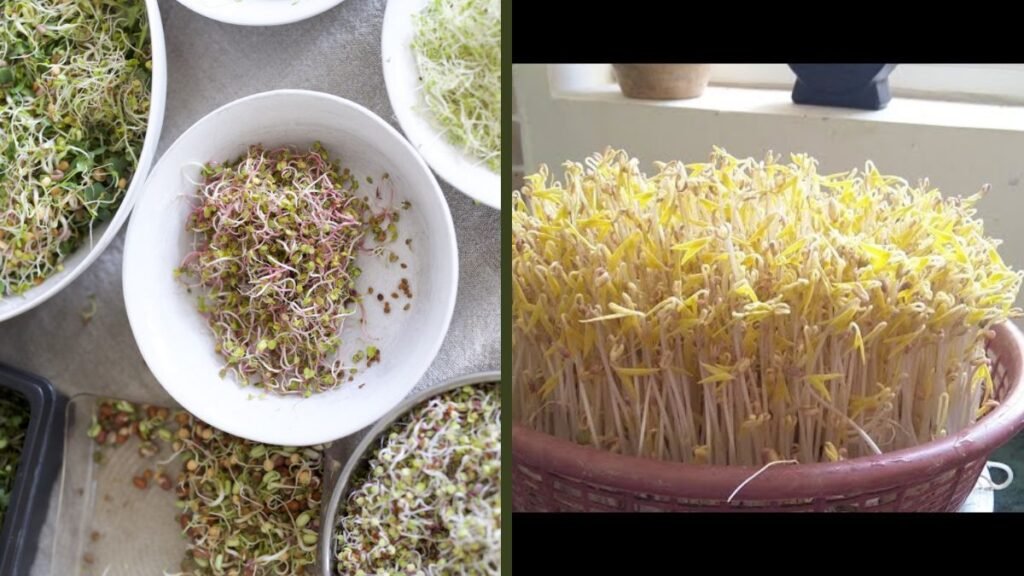
White sprouts grow best in darkness. Light exposure causes green color and bitterness. Plump sprouts develop when moisture is consistent. Proper soaking activates enzymes inside the seed. Controlled airflow prevents mold. Temperature also plays a key role. Warm conditions speed growth. Balanced care ensures thick, juicy sprouts.

Paragraph 5: Tools Required for Sprouting
Sprouting does not require expensive tools. A clean bowl, jar, or sprouting container is enough. A cotton cloth or lid with holes helps draining. Clean water is essential. A dark cupboard or box supports white sprout growth. Hygiene tools like clean hands and containers are important. Simple tools give excellent results. Cleanliness ensures safe sprouts.
Latest Posts
- How to Use Invisible Wire for a Stunning Climbing Plant Wall
- Are Your Garden Tools Making Your Plants Sick?
- How to Style a Small Studio with Columnar Cacti
- Why Is My Zucchini Shaped Like a Lightbulb?
- How to Protect Your Fruit From Birds Without Nets
- How to Keep Squirrels Away from Your Fruit Trees
- How to Protect Your Fruit from Birds Without Nets
- Why Biochar Is a Game-Changer for Your Kitchen Garden
- Why Some Rare Cacti Bloom Only One Night a Year
- How to Grow Rare Blue Strawberries at Home
Paragraph 6: Soaking Beans Correctly
Wash beans thoroughly before soaking. Remove damaged or floating beans. Soak mung beans for eight to ten hours. Use clean drinking water. Soaking activates germination. Do not over-soak, as beans may rot. After soaking, drain completely. Proper soaking leads to uniform sprouting.
Paragraph 7: Draining and Initial Sprouting
After soaking, drain all water completely. Place beans in a sprouting container. Cover with a breathable cloth. Keep container tilted to avoid water accumulation. Excess water causes spoilage. Good drainage encourages healthy growth. Initial sprouts appear within 24 hours. This stage is very important.
Paragraph 8: Keeping Sprouts White
To keep sprouts white, store them in darkness. Avoid sunlight completely. Place the container inside a cupboard. Darkness prevents chlorophyll formation. This keeps sprouts tender and sweet. White sprouts are preferred for cooking. Light exposure reduces quality. Darkness ensures professional-quality sprouts.

Paragraph 9: Watering Schedule for Plump Sprouts
Rinse sprouts two to three times daily. Use clean water each time. Drain completely after rinsing. Do not leave standing water. Consistent moisture makes sprouts plump. Irregular watering causes thin sprouts. Gentle rinsing prevents damage. Regular care gives thick growth.
Paragraph 10: Temperature Requirements
Ideal temperature for sprouting is warm but not hot. Around room temperature works best. Cold slows growth significantly. Excess heat encourages bacteria. Avoid placing near stoves or windows. Stable temperature ensures uniform sprouting. Seasonal adjustment may be needed. Controlled conditions improve success.
Paragraph 11: Harvesting Bean Sprouts
Sprouts are ready in three to five days. Harvest when stems are thick and roots are short. Longer sprouts become fibrous. Rinse thoroughly before use. Remove seed coats if needed. Fresh sprouts have mild aroma. Harvesting at the right time improves taste. Use immediately or refrigerate.
Paragraph 12: Storage Tips
Fresh sprouts can be stored for two days in the refrigerator. Use an airtight container with paper towel. Do not wash before storage. Excess moisture causes spoilage. Fresh sprouts taste best when used quickly. Refrigeration slows enzyme activity. Always check smell before use. Proper storage ensures safety.

Paragraph 13: Common Mistakes to Avoid
Overwatering is the most common mistake. Using dirty containers causes mold. Exposure to light turns sprouts green. Poor drainage leads to rotting. Skipping rinsing reduces quality. Using old beans slows sprouting. Avoid overcrowding beans. Correcting mistakes improves success.
Paragraph 14: Health Benefits of Bean Sprouts
Bean sprouts are rich in vitamin C and protein. They support digestion and immunity. Low calorie content makes them diet-friendly. Enzymes improve nutrient absorption. They are good for heart health. Sprouts are easy to digest. Regular consumption supports metabolism. Fresh sprouts maximize benefits.
Paragraph 15: Culinary Uses
Bean sprouts are used in stir-fries and salads. They add crunch to noodles and soups. Sprouts can be lightly steamed. Avoid overcooking to preserve nutrients. They blend well with vegetables. Popular in Asian cuisine. Fresh sprouts enhance flavor. Versatile and nutritious ingredient.
Paragraph 16: Hygiene and Safety
Always wash hands before handling sprouts. Clean containers daily. Use potable water only. Discard spoiled sprouts immediately. Avoid consuming slimy sprouts. Proper hygiene prevents foodborne illness. Home sprouting is safe when done correctly. Safety ensures confidence in consumption.
Paragraph 17: Table – Bean Sprouting Guide
Table: Bean Sprout Growing Essentials
Aspect | Recommended Practice
Beans | Whole organic mung beans
Soaking Time | Eight to ten hours
Watering | Two to three rinses daily
Light | Complete darkness
Harvest Time | Three to five days
Storage | Refrigerate for two days
Paragraph 18: Indoor Sprouting Advantages
Indoor sprouting works year-round. No soil or sunlight required. Suitable for apartments. Controlled hygiene is easier. Weather does not affect growth. Small space is sufficient. Ideal for daily fresh food. Perfect for beginners.
Paragraph 19: Teaching Kids Sprouting
Sprouting teaches patience and responsibility. Kids enjoy fast results. Easy steps keep interest high. Encourages healthy eating habits. Educational and fun activity. No sharp tools involved. Safe learning experience. Builds awareness of food growth.
Paragraph 20: Conclusion
Making bean sprouts at home is simple and rewarding. With proper soaking, rinsing, and darkness, white and plump sprouts grow easily. Home-grown sprouts are safer and tastier. Minimal tools and effort are required. Anyone can grow them successfully. Fresh sprouts improve nutrition and cooking quality. Start sprouting today for healthier meals.